


Auxiliary Equipment
Specializing in providing support equipment and services, including; utilities, sanitary piping, bulk storage, milling, CIP, conveyance, filtration, custom equipment, and more. Our dedicated manufacturing team and component partners provide the latest technology and most reliable ancillary equipment catered to your process.
Service & Maintenance
Sanitary Process Piping Services
Clean-in-Place Equipment
Hardware and Parts
Auxiliary/Ancillary Equipment
- Tilting Hop Infusers
- Standard and Sub-Zero Chillers
- Boilers
- Filtration & Clarification
- Heat Exchanger
- Process Pumps
- Yeast Propagation
- Material Handeling













IN THE NEWS
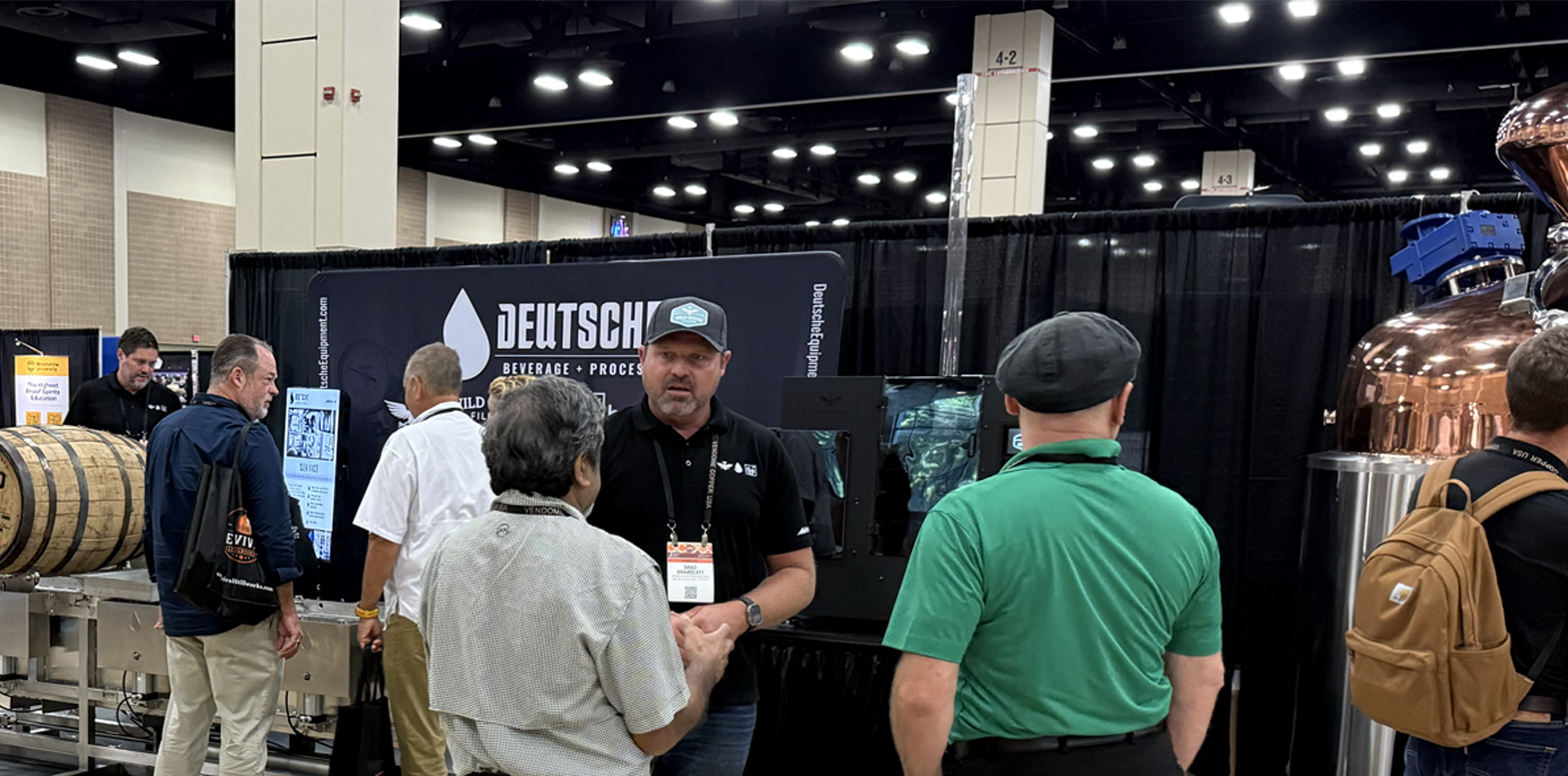
Adding Efficiency to Your Distillery: Practical Solutions to Explore at ADI 2026
As distilleries look for smarter ways to improve production and expand into growing categories such as RTDs, the 2026 American Distilling Institute Craft Spirits Conference & Vendor Expo offers a valuable opportunity to explore new distillery equipment and process solutions. Taking place August 18–19 at the Miami Beach Convention Center, ADI 2026 will bring together craft spirits producers, equipment manufacturers and industry experts focused on improving efficiency, consistency and flexibility across distilling and beverage production.
How Filtration Can Reduce Lagering Time and Improve Beer Clarity
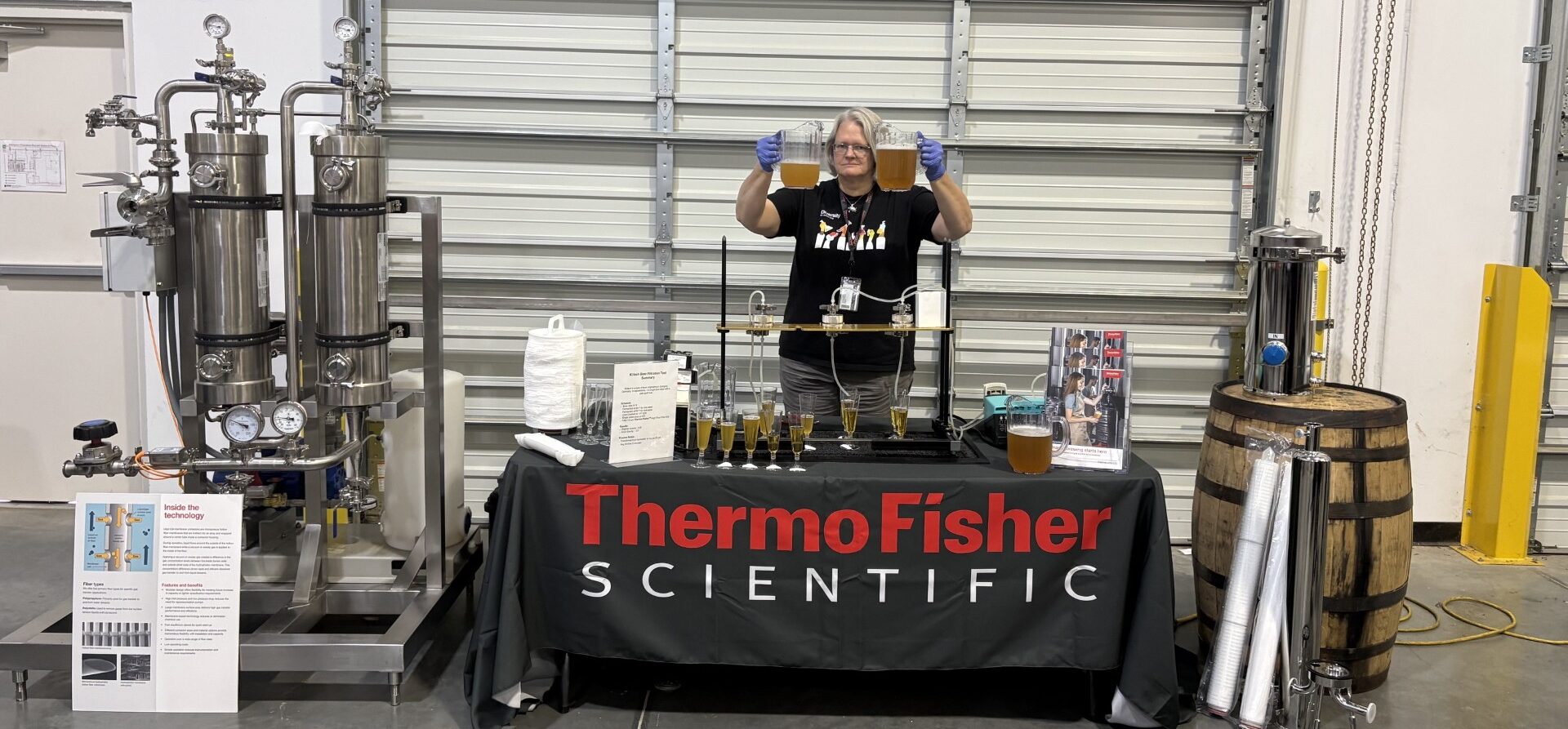
How much lagering time could your brewery save by incorporating filtration into your process?
By testing multiple filtration stages, we examined how different filter configurations impacted beer clarity, body, and overall flavor.
One of the biggest takeaways? A 1.0 um filtration step removed yeast from the finished beer and allowed us to reduce typical lagering time by more than 50%—helping breweries free up valuable tank space while still producing an excellent finished product.
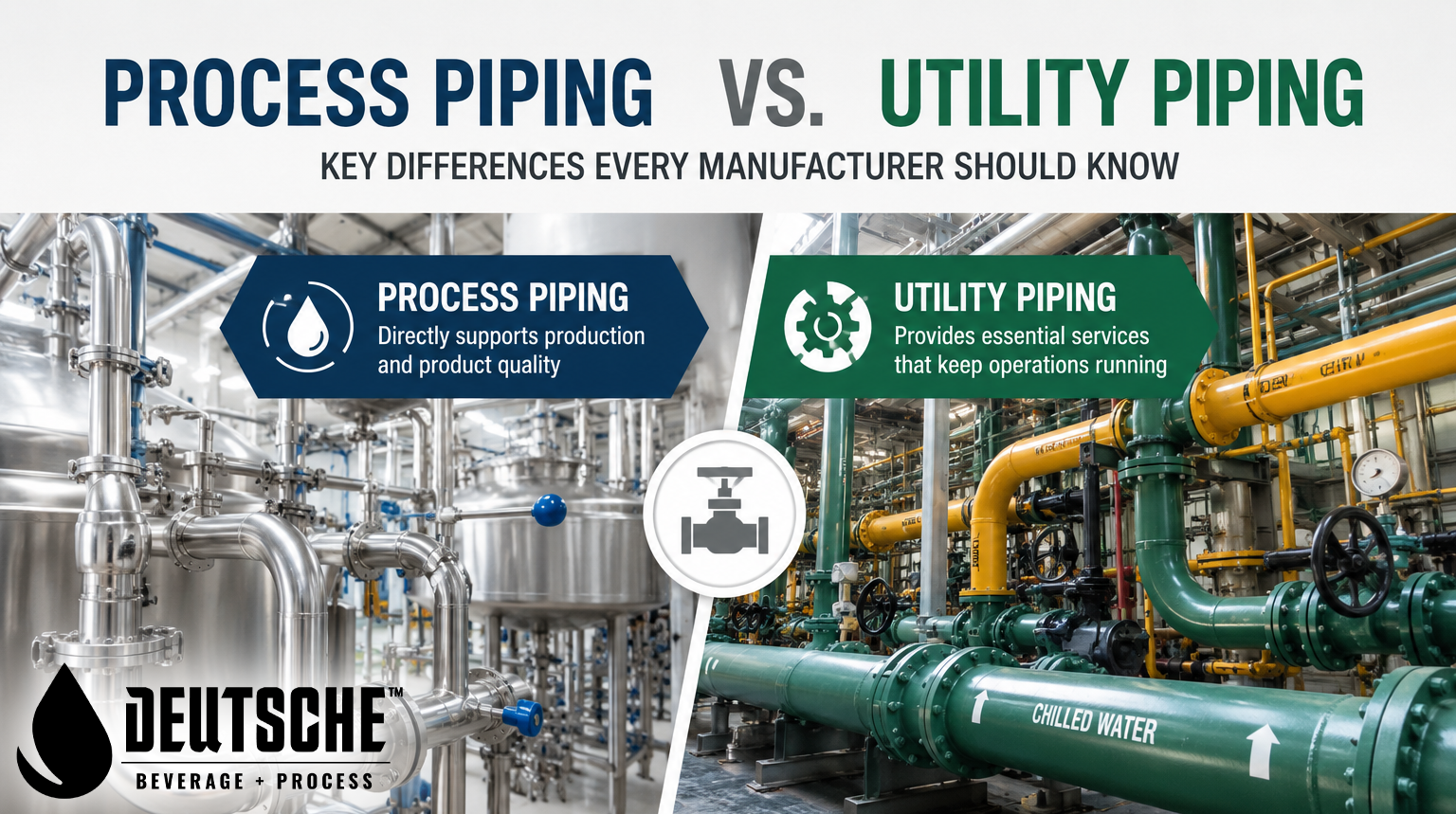
Process Piping vs. Utility Piping: What Manufacturers Need to Know
In a manufacturing plant, not all piping plays the same role. Some lines directly support production, while others keep the equipment running by delivering the utilities it needs. Understanding the difference between process piping and utility piping can help prevent scope gaps, startup issues, and costly downtime. Read more in the full article.

