


Efficiency is often discussed as though it simply means producing more. For many craft distilleries, however, the more important question is how to produce, handle and package products more effectively with the space, people and equipment already available.
That question is especially relevant in the current spirits market. Total U.S. spirits supplier sales declined slightly in 2025, while premixed cocktails, including spirits-based ready-to-drink products, grew 16.4% to approximately $3.8 billion (Distilled Spirits Council of the United States, 2026). Distilleries are being asked to protect their core operations while also evaluating new products and revenue opportunities.
That is one reason the 2026 American Distilling Institute Craft Spirits Conference & Vendor Expo is an important opportunity for startup distilleries, expanding producers and established operations. The conference’s expo and educational programming will take place August 18–19 at the Miami Beach Convention Center.
These priorities align closely with what the Middleby Brewing & Distilling Solutions Group will be exhibiting at ADI this year. Across Deutsche Beverage + Process, Wild Goose Filling, Ss Brewtech and other Middleby brands, attendees will be able to explore equipment and technologies designed to improve process efficiency, make better use of existing resources and support opportunities such as RTDs, canned cocktails and expanded tasting-room offerings.
Start With the Process
When we talk with distilleries about efficiency, we start by looking at the process.
Where does product wait? Which tasks require more people than they should? Is the primary still being used for work that could be handled by a more appropriately sized system? Are operators repeatedly moving barrels, hoses or ingredients because the process was never designed around the way the distillery operates today?
The right improvement may increase capacity, but that is not always the primary goal. It may instead reduce manual handling, free operators to focus on other tasks, or make it easier to achieve consistent results from one batch to the next.
Reduce Unnecessary Barrel Handling
Barrel handling is a good example. Emptying mature spirit barrels can involve considerable lifting, positioning and product transfer. When that work depends on forklifts, improvised handling methods or several operators, it can consume labor while introducing avoidable safety and product-recovery concerns.
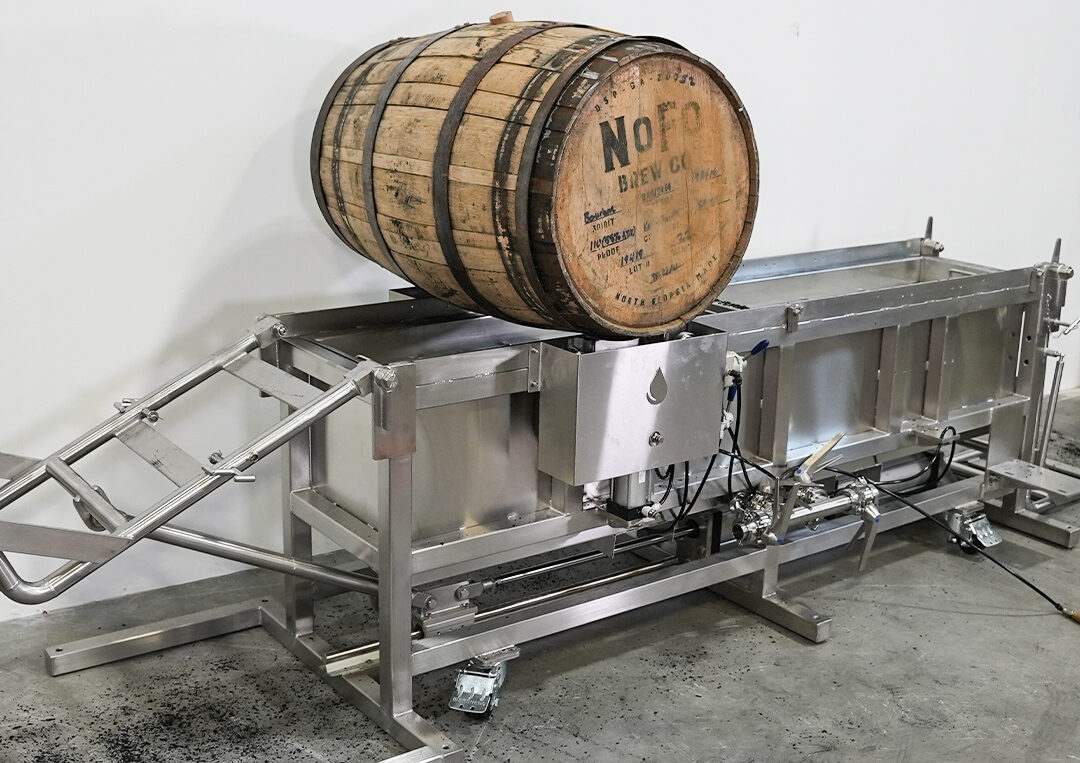
On display at ADI 2026 – Booth 338 | More info on this product.
A purpose-built Spirit Barrel Lift and Dump changes the process rather than simply making the same manual task faster. Deutsche’s pneumatic system is designed to allow a single operator to lift, rotate and drain a barrel. Collection options can also help separate fresh spirit from material recovered later in the draining process. Deutsche also offers a Barrel Fill and Draw System that combines pneumatic emptying and measured bottom-up filling in one integrated platform to reduce handling, improve transfer efficiency and make better use of operator time.
The broader lesson is to look closely at every point where operators physically handle containers or product. A repeated task that appears manageable one barrel at a time can become a major demand on operator bandwidth over the course of a production year.
Treat Filtration as Part of the Production Process
Filtration is another area that is sometimes addressed too late. When a spirit requires chill filtration, the filtration step should be considered as part of the complete production process, not as an accessory added after the rest of the system has already been planned.
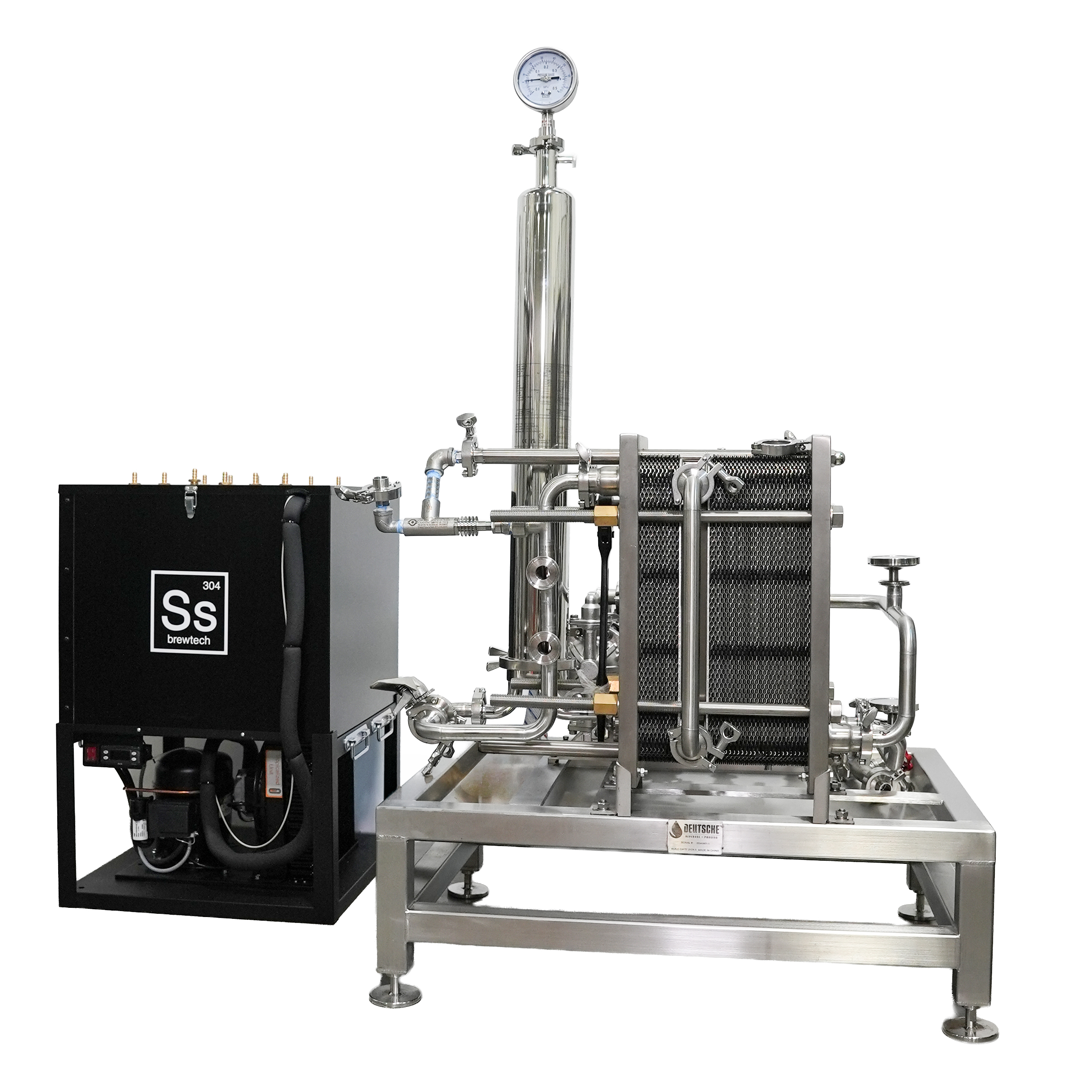
On display at ADI 2026 – Booth 338 | More info on this product.
An appropriately scaled Spirit Chill Filtration Skid can help a craft producer manage filtration in a more controlled and repeatable way.
This solution brings chill filtration to a more practical craft scale by using an economizing heat exchanger and a 3/4 horsepower Ss Brewtech chiller that operates from a standard 110-volt outlet, reducing the cooling utility traditionally required for the process. At steady state, the system can process up to three gallons per minute, helping smaller producers improve clarity and consistency in your proofed whiskey and other spirits.
The chill filtration skid can be plumbed in tandem with your dump trough and proofing vessels via the AODD pump included in the chill filtration skid design.
Match the Still to the Work It Needs to Perform
One of the most common equipment-utilization questions is whether the primary still is being asked to do too many different jobs.
When stripping runs, spirit runs, and specialty products all compete for time on the same system, the still can become a scheduling constraint. A dedicated, right-sized still can greatly impact efficiencies.
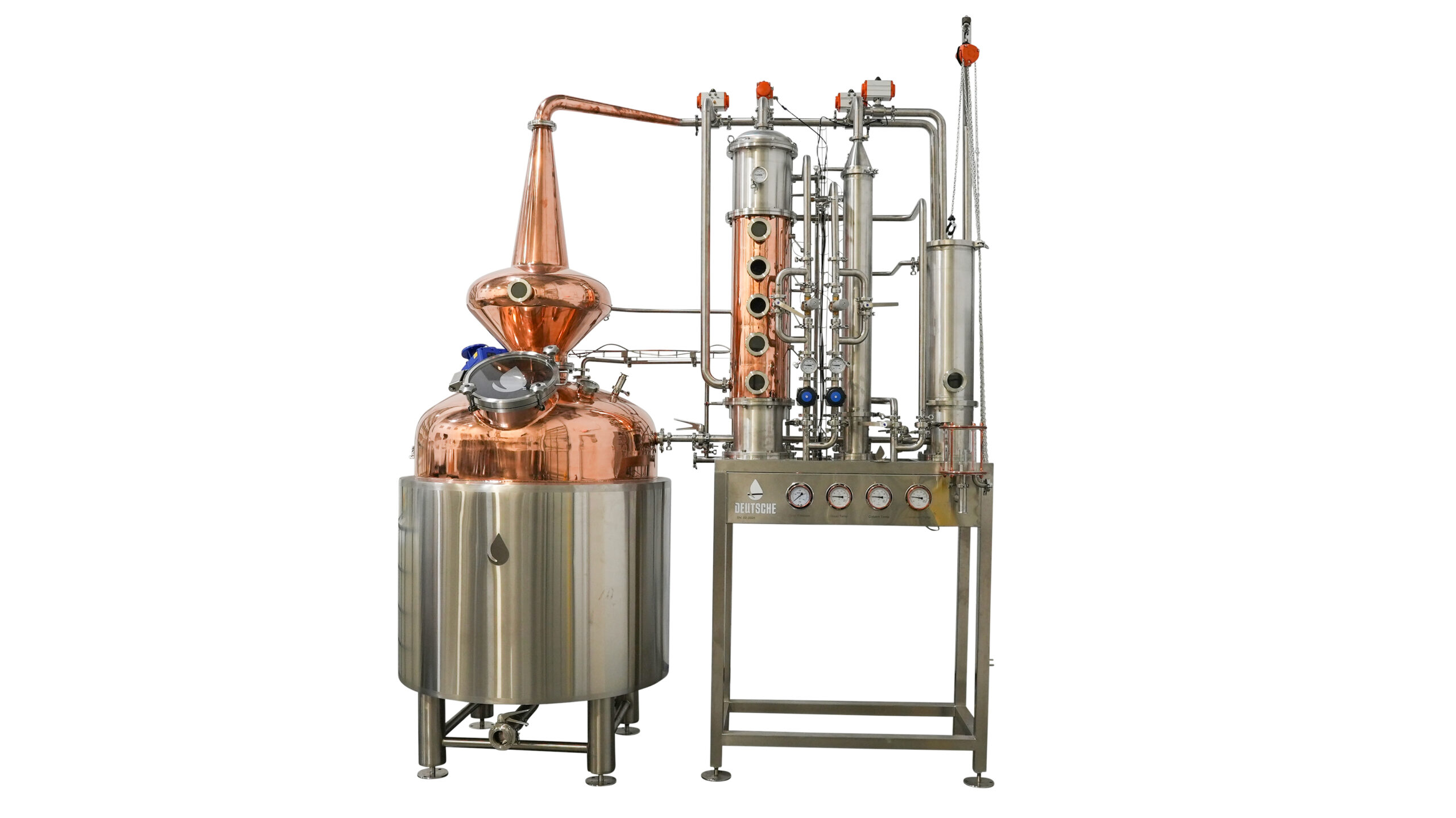
Learn More About Still Selection at ADI – Booth 338/336
The same principle applies when selecting or configuring a hybrid pot still. Versatility is valuable, but the equipment still needs to reflect what the distillery produces, how frequently it changes products and where it needs additional scheduling flexibility. Deutsche’s hybrid pot stills can be configured across a range of sizes and column arrangements to suit different spirit-production requirements.
Every distillery may not need another still, but it’s crucial to understand what each piece of equipment is doing, how often it is occupied, and whether the configuration matches the actual task.
Product development should be evaluated in much the same way. Testing a new recipe on a full production system can consume valuable production time and create more product risk than necessary. Smaller-scale equipment can give a team a defined place to test recipes, refine processes and develop limited releases without continually interrupting the primary production schedule. They can also be used for redistillation, rectification, or gin run instead of tying up your production system.
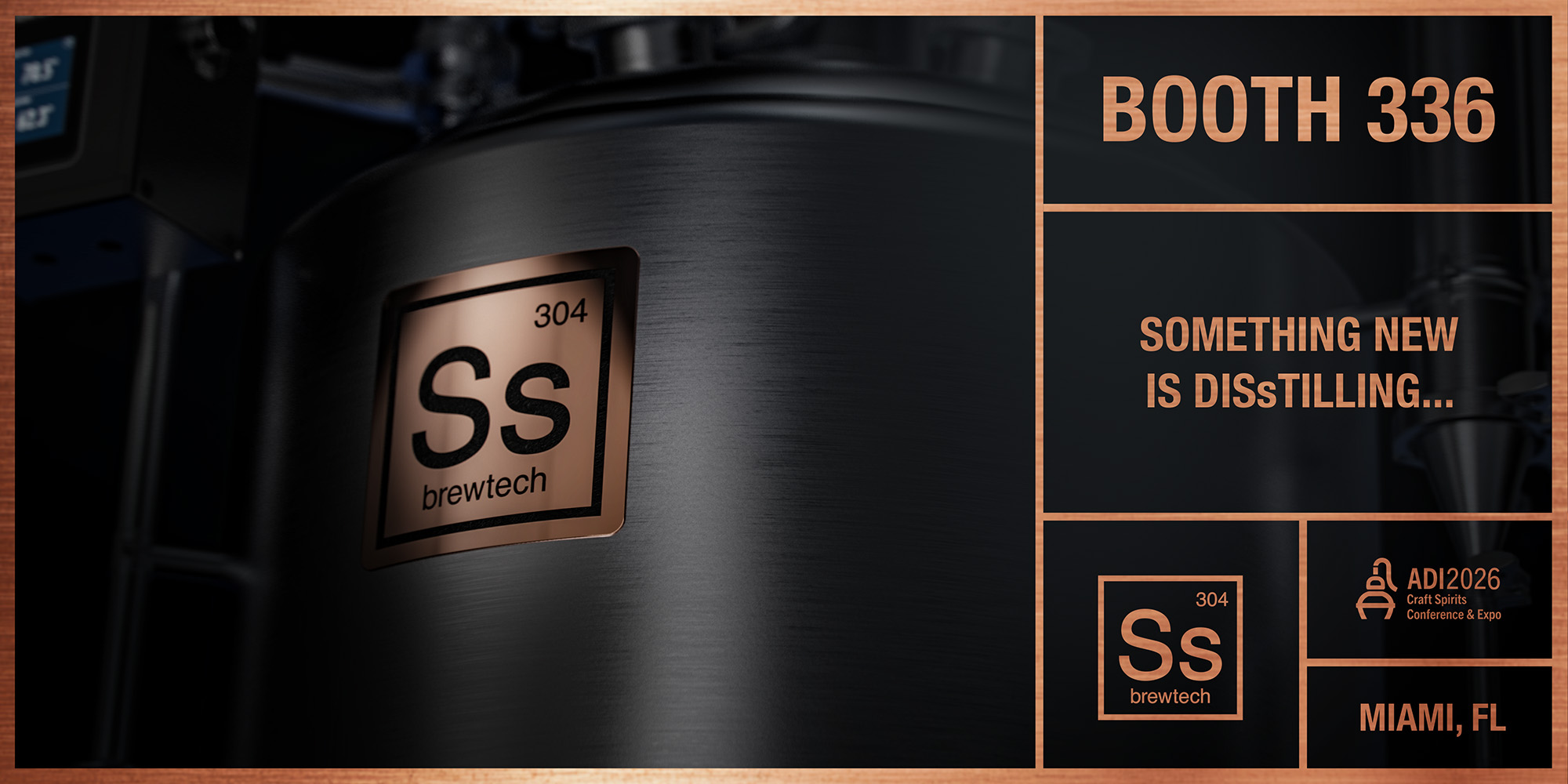
Ss Brewtech will be unveiling new distilling products at ADI 2026 to address points covered above. Attendees can stop by Booth 336 to be among the first to see them.
Build an RTD Process, Not Just an RTD Product
Ready-to-drink cocktails represent a significant opportunity, but adding an RTD is not as simple as putting an existing spirit into a can.
The distillery must account for water, sweeteners, flavors, the alcohol base, and other ingredients, along with the order in which they are introduced. Mixing time, temperature, and method of blending can all affect repeatability. Packaging adds another set of decisions involving carbonation, dissolved oxygen, fill performance, seams, product changeovers, and finished inventory.
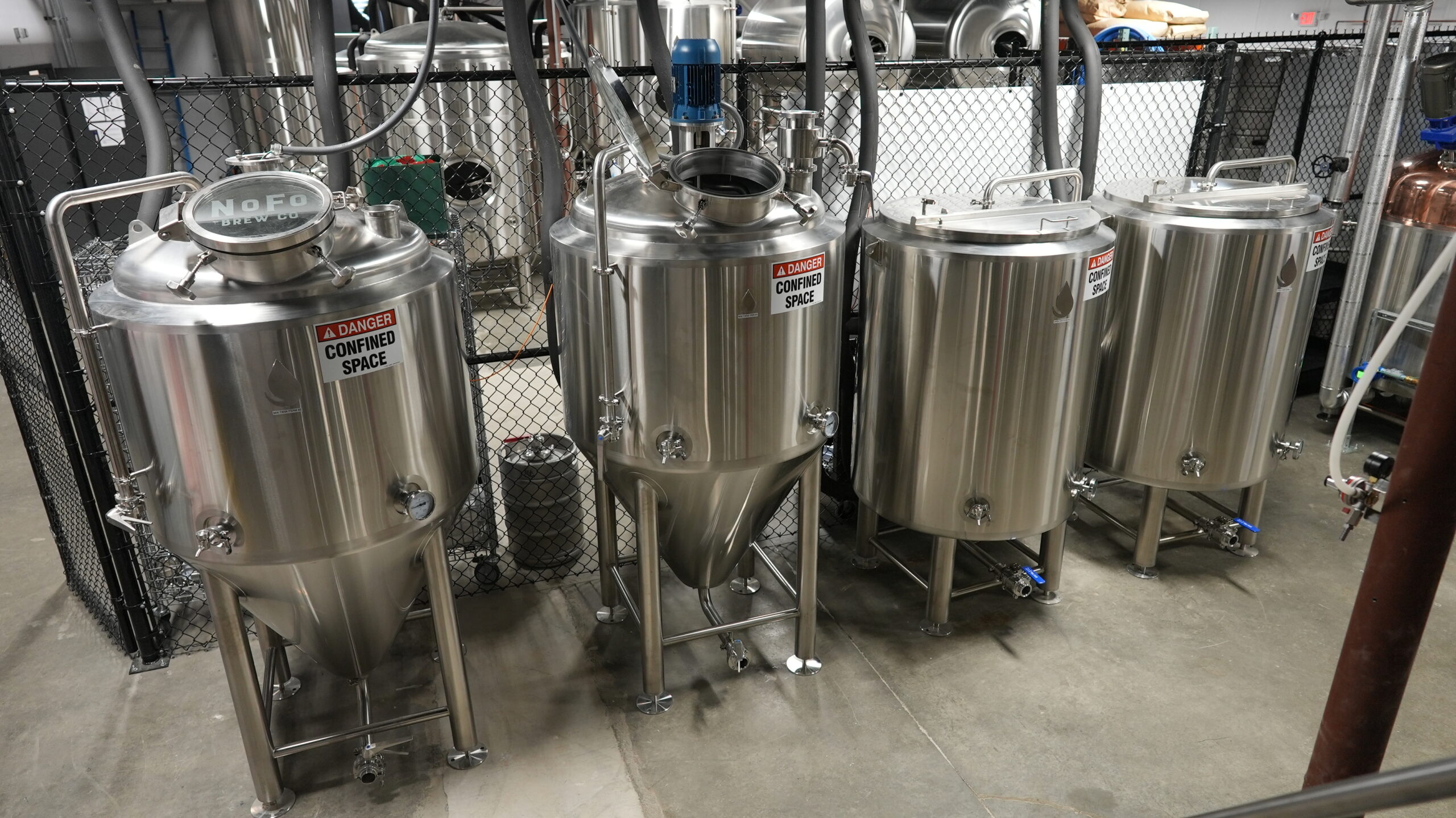
150g Mixing Vessel will be on display at ADI 2026 – Booth 338 | More info on this product.
A properly configured mixing vessel gives the producer a more controlled environment for combining ingredients. Deutsche’s mixing vessels can be customized around tank size, impeller design, mixing speed, time, temperature and other process requirements, helping producers establish a repeatable blending procedure instead of relying on operator judgment alone.
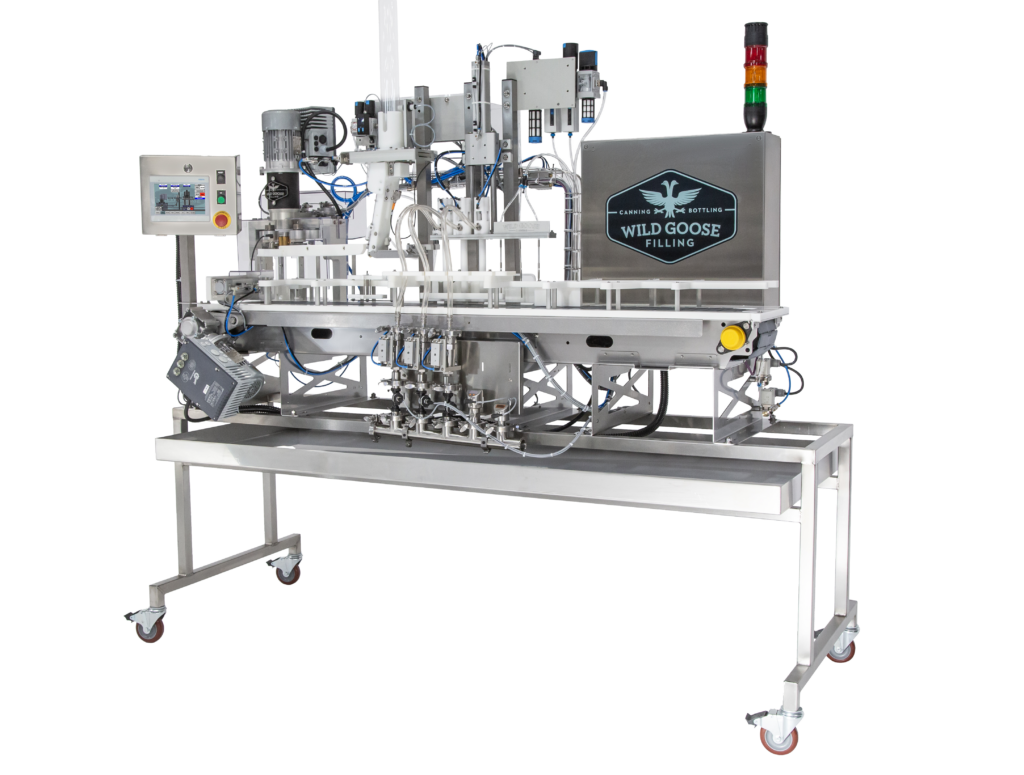
Single Lane Evolution Series will be on display at ADI 2026 – Booth 239 | More info on this product.
Once the product is ready, the packaging system should fit both the current production plan and the producer’s likely next step. The Wild Goose Filling Single Lane Evolution Series uses a modular design that allows producers to begin at a lower packaging speed and add capacity on the same compact platform as demand changes. Its flexible configuration supports a wide range of still and carbonated beverages, along with multiple can sizes and styles, giving producers room to adapt as their product mix and packaging needs evolve. Another option from Wild Goose is the Gosling Spirit, which provides an entry-level, compact solution for packaging 100ml still RTD cocktails.
For distilleries entering the canned cocktail and RTD beverage market, bringing packaging in-house can make smaller runs, multiple products, and seasonal releases more practical. It can also allow production to be scheduled closer to actual demand rather than requiring a large quantity of packaged inventory at one time.
ADI attendees can explore these considerations in greater detail during the panel discussion:
What You Need to Know When Starting or Expanding Your RTD Production
Wednesday, August 19, 2026
11:00–11:45 a.m.
Panel Room – ADI 2026
The discussion will cover the major stages of RTD production, including spirit processing, mixing, blending, flavor development, ingredient integration and packaging. Whether a producer is developing its first canned cocktail or scaling an established RTD brand, the goal is to provide practical considerations for improving quality, simplifying production and preparing for future growth.
More information on these educational seminars and the ADI schedule can be found here:
More to Experience from Middleby
For many distilleries, efficiency and diversification also extend into the tasting room.
Adding food can increase the reasons guests have to stay, return and experience more of the distillery’s offerings. The challenge is that many tasting rooms were not originally designed to accommodate a conventional commercial kitchen.
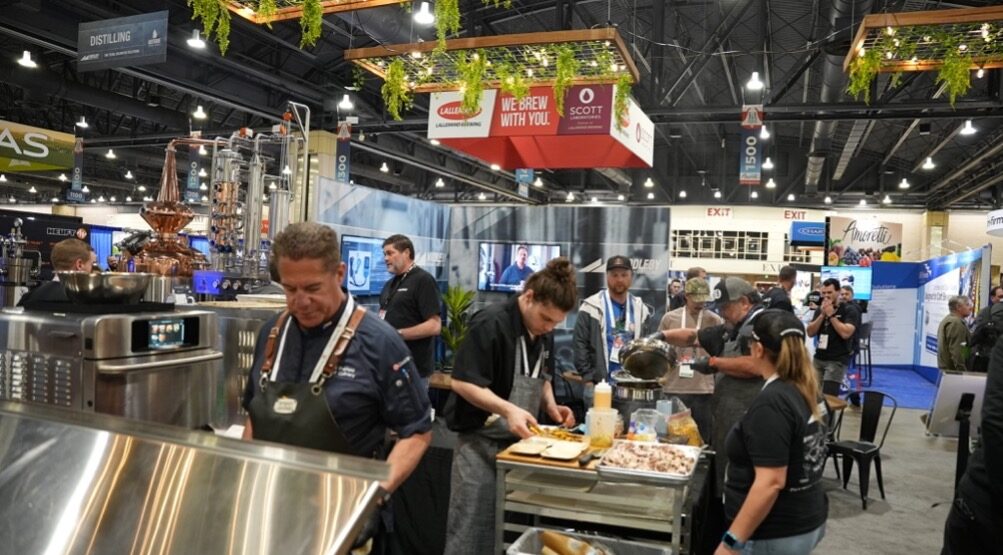
At Booth 334, attendees can explore high-speed cooking and CookTek induction equipment that can support a more flexible, space-conscious food program. TurboChef’s commercial ovens use ventless, high-speed cooking technology, while CookTek equipment is designed to provide precise, consistent heating with easy-to-clean cooking surfaces.
Attendees will also be able to see the equipment in action and sample menu items prepared during the show.
Use ADI to Challenge Existing Assumptions
ADI is valuable because it gives distillers an opportunity to step away from daily production and evaluate the operation as a connected system.
Before attending the show, identify four things in your own operation:
- One place where product regularly waits
- One manual task that consumes more operator time than it should
- One major piece of equipment performing several competing jobs
- One new product or revenue opportunity the current process cannot easily support
Those are good starting points for a productive equipment conversation.
Visit the Middleby Brands at ADI 2026
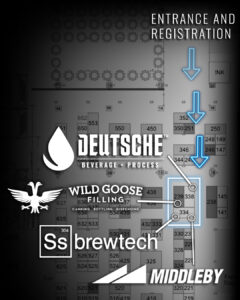
Deutsche Beverage + Process | Booth 338
Explore spirit production equipment, advances in barrel handling, spirit filtration and processing solutions for new and expanding distilleries. Deutsche’s role extends beyond individual pieces of equipment. The company provides complete distilling and beverage production systems, including distilling and processing equipment, sanitary piping, custom skids, controls, CIP, filtration, and system integration.
Wild Goose Filling | Booth 239
See scalable packaging systems for canned cocktails, RTDs and other beverages.
Middleby and TurboChef | Booth 334
Experience high-speed cooking and induction technologies for flexible tasting-room food programs.
Ss Brewtech | Booth 336
See new Ss Brewtech distilling products unveiled at the show.
Whether you are planning a new distillery, improving an established operation, adding RTD capabilities or looking for new ways to strengthen your tasting room, ADI 2026 is an opportunity to question the way work is currently being done and identify practical ways to do it better. If you can’t make the show, we invite you to reach out to our team and discuss these solutions, and schedule a showroom or customer distillery visit.
Thank you to the American Distilling Institute for hosting the 2026 Craft Spirits Conference & Vendor Expo.


