


When breweries plan maintenance, the focus usually lands on the brewhouse and the cellar—tanks, pumps, and the equipment that directly touches wort and beer. Those systems matter. But many of the problems that disrupt production, impact efficiency, or create safety risks don’t start there.
They start with the support systems.
Chillers, boilers, burners, grain handling equipment, and control panels are the backbone of brewery operations, even though they rarely get daily attention. When they’re working properly, they don’t ask for much. You flip a switch, they turn on, and the brewery runs. That’s exactly why they’re easy to overlook.
Some support systems make problems obvious. If a boiler can’t reach pressure, a burner won’t fire, or a chiller isn’t cooling, the issue usually shows up quickly in day-to-day operation. The system runs—or it doesn’t.
Others aren’t that straightforward. Grain handling components, control safety devices, electrical supply, and measurement systems can continue operating while slowly drifting out of spec. They don’t fail loudly; they degrade quietly, creating issues that only surface later as inefficiencies, safety risks, or unexplained process variability.
That’s why start-of-year maintenance for these systems isn’t about confirming that they just turn on—it’s about checking the mechanical, electrical, and accuracy details that don’t announce themselves during normal operation.
Grain Handling & Auger Systems: Small Adjustments, Crucial Results
Grain handling equipment takes more abuse than most brewhouse assets. Heavy loads, constant cycling, and vibration are part of daily operation, which means small mechanical issues can escalate quietly over time.
One of the most important—but often overlooked—components is the coil keeper set screw on the auger motor stub shaft. That set screw holds the auger coil in place while it experiences continuous torque throughout the year.
As Tony Cardwell explains, no matter how tight it’s installed initially, some amount of movement over time is inevitable. If the set screw loosens and the auger coil isn’t positioned correctly on the shaft, performance issues are often the first sign. In more severe cases, the coil can slip back into the auger pipe, turning a small oversight into a full teardown.
Key grain handling checks worth revisiting at the start of the year include:
- Tightening coil keeper set screws on auger motors
- Confirming the auger coil is positioned far enough up the stub shaft, so that any small, standard coil slippage over time will not impact your process.
- Checking for signs of grain slippage in the auger, back to the mill, floor grist case, or bulk bag unloader, or reduced grain transfer speed
- Inspect motor mounts and hardware for vibration-related loosening
Beyond mechanical checks, cleanliness plays an important role in long-term reliability. The grist case may not see liquid, but it does accumulate grain dust and organic material over time. A quick clean at the start of the year helps prevent buildup that can interfere with grain flow, remove unwanted organics, or affect load cell accuracy downstream.
A simple rinse and light caustic cleaning if needed—is often enough to reset the system and ensure grain entering the brewhouse is in the best condition possible.
Load Cells: Trust, but Verify
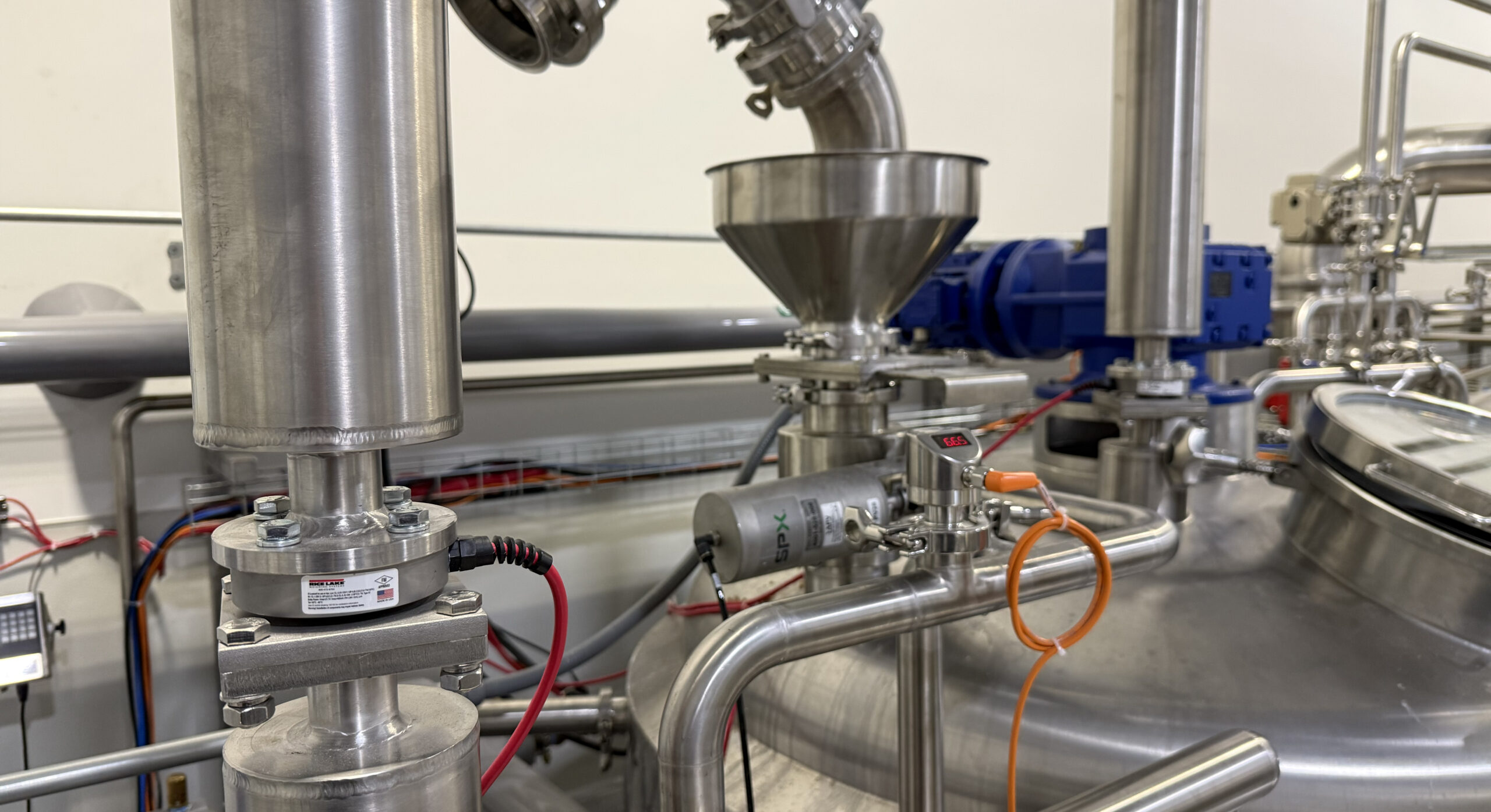
Load cells don’t usually fail outright. They drift.
Dust buildup in the grist case, mechanical stress, or repeated cleaning cycles can all affect tare weight over time. That drift can lead to small but meaningful inaccuracies—being off a few pounds per brew adds up across a year.
“Often you don’t need recalibration,” Cardwell explains. “You just need to clean it out and re-tare.”
But if cleaning doesn’t resolve the issue—if known weights don’t register correctly—it may be time for recalibration. In those cases, Deutsche Beverage & Process can help connect breweries with qualified partners to address it properly.
The Grain Room Is Where Problems Start—Even If You Don’t See Them There
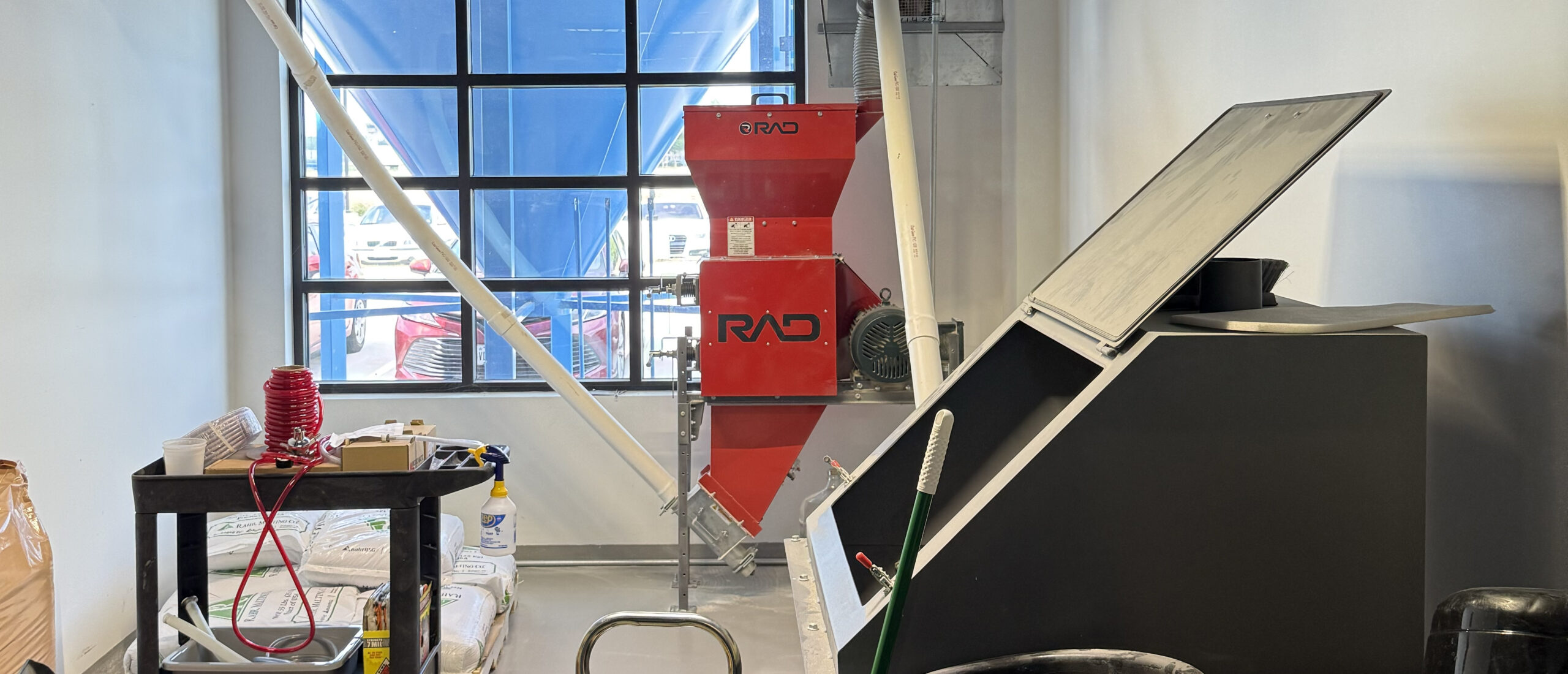
Grain rooms are high-risk environments by nature. They store large volumes of grain, generate dust, and house moving mechanical components. Issues here often don’t look like grain room problems at first.
Mill gaps can shift over time. Motors can move slightly under load. Belts and chainscan degrade quietly. If roller clearances change, crush consistency changes, leading to poor malt extraction and cellar conversion.
Cardwell recommends periodically checking:
- Roller gap settings on two- and four-roll mills
- Belt condition and motor alignment
- Chain lubrication points (zerks)
- Sample ports and general mill condition
Dust and pests are another concern. Grain dust is combustible, and mill rooms contain electrical components. Excessive dust buildup increases both fire and explosion risk, while pest activity introduces contamination concerns.
Controls and Safety Systems Need to Be Proven, Not Assumed
Control panels and HMIs sit at the center of brewery operations, yet the safety devices built into them are some of the least exercised components in the facility. Because emergency stops aren’t part of normal operation, it’s easy to assume they’ll work when needed—without ever verifying that they do.
Every Deutsche Beverage + Process control panel includes an E-stop, and HMIs typically include one as well. Cardwell recommends testing these annually by running equipment, engaging the E-stop, and confirming that motors and pumps stop immediately. Just as important is verifying that equipment can only restart after the proper reset sequence is completed.
As Cardwell puts it, “These need to be tested—not because they fail often, but because you need to know they work.”
At a minimum, safety and controls checks should include:
- Running a pump or motor and confirming it stops immediately when the E-stop is engaged
- Verifying the E-stop must be physically reset before operation can resume
- Confirming the system requires a proper reset command after the E-stop is cleared
- Checking control cabinets for cleanliness, secure wiring, and obvious wear
Beyond the control panel itself, Cardwell also points to incoming building power as a common source of hard-to-trace electrical issues. Unbalanced phases or improper voltage at the main panel can lead to nuisance faults, inconsistent behavior, or unexplained downtime later on.
“This is building power,” Cardwell cautions. “If you’re uncomfortable testing for balanced voltage, bring in an electrician. But it’s something we see lead to brewery issues more often than people expect.”
A quick check of power quality at the start of the year—either internally or with a qualified electrician—can eliminate issues that are otherwise misdiagnosed as equipment or controls problems.
Start the Year Where Problems Usually Begin
Support systems don’t demand attention when everything is working—but they dictate how smoothly everything else runs. Checking them at the start of the year helps ensure that efficiency, safety, and accuracy are built on solid ground.
As Cardwell puts it, getting ahead of these systems is about avoiding the moment when something goes wrong and everyone suddenly asks why no one checked it sooner.
Support systems don’t demand attention when everything is working—but they dictate how smoothly everything else runs. Checking them at the start of the year helps ensure that efficiency, safety, and accuracy are built on solid ground.
The Start-of-Year Brewery Support & Safety Systems Checklist was created to give breweries a clear, practical way to review these systems—without guessing what to look for or where problems typically start.
Frequently Asked Questions: Brewery Support and Safety Systems Maintenance
Support systems like grain handling, safety devices, and measurement equipment directly affect uptime, safety, and consistency—even though they don’t always touch the beer itself. When these systems drift out of spec or degrade quietly, the resulting issues often show up later as inefficiencies, safety risks, or unexplained process variability that’s harder to trace back to the source.
At a minimum, grain handling systems should be visually inspected and mechanically checked annually, with spot checks throughout the year. Components exposed to vibration—such as auger motors and fasteners—benefit from more frequent inspections, especially in high-throughput breweries where equipment runs daily.
Grain room problems often appear indirectly. Brewers may notice inconsistent grain flow, unexpected changes in mash efficiency, increased dust around equipment, or unusual wear on augers and motors. These symptoms are often tied back to moisture control, dust accumulation, or storage conditions rather than the brewhouse itself.
Emergency stops are critical safety devices, but because they aren’t part of normal operation, failures often go unnoticed. Annual testing verifies that contacts, wiring, and controls still function as intended. As Tony Cardwell notes, an untested E-stop may not work when it’s needed most—turning a safety feature into a false sense of security.
Load cells should be recalibrated annually and anytime equipment is moved, modified, or structurally adjusted. Gradual drift caused by mechanical stress or environmental changes can impact accuracy without triggering alarms. Regular calibration ensures that recipe data, batching, and process decisions are based on reliable measurements.


