


Most breweries don’t struggle because of bad equipment. They struggle because small issues compound during the busiest parts of the year—when there’s no time to stop and fix them properly.
That’s why start-of-year brewhouse maintenance matters.
January and February are often slower months. Taproom traffic dips, brew schedules ease slightly, and many teams are already resetting after the holidays. It’s the ideal time for what many brewers casually refer to as a “brewhouse spa day”—a focused window to reset the system before production ramps back up.
“During the year, most people are just troubleshooting on the fly to get through the brew day,” says Tony Cardwell, Senior Project Manager. “The beginning of the year is when you actually have the chance to be proactive instead of reactive.”
The goal isn’t perfection. It’s reducing the number of problems that show up when the brewhouse is under the most pressure.
Start With the Connections That Hold Everything Together
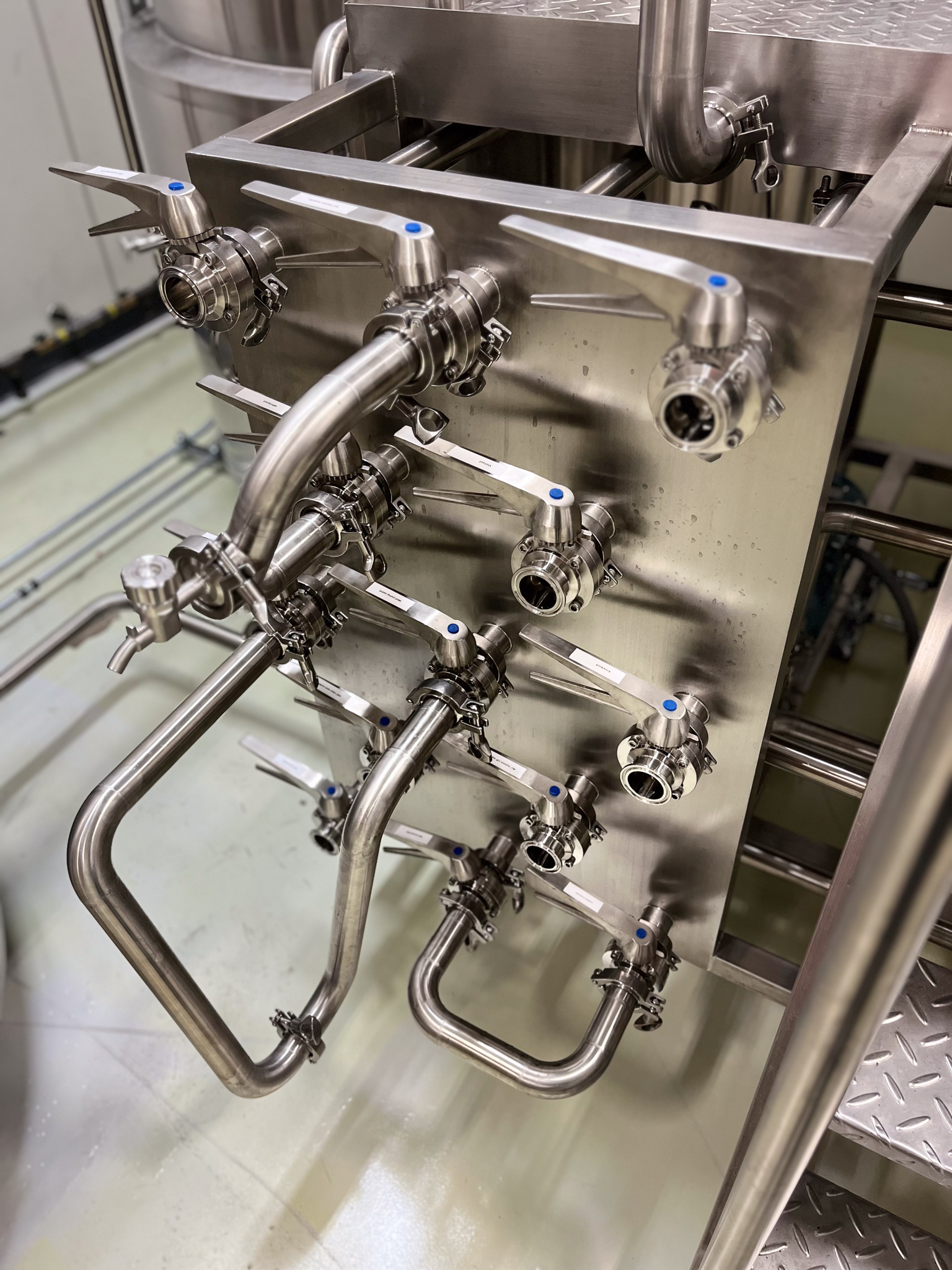
A logical place to begin brewhouse maintenance is with the physical connections that tie the system together. Hard piping, tri-clamps, and gaskets experience constant vibration—from pumps starting and stopping, fluid moving through the system, and even foot traffic on brewhouse stairs.
Over time, that movement adds up.
During a start-of-year maintenance pass, it’s worth breaking connections apart and actually inspecting components rather than just checking for leaks.
Things to look for include:
- Gaskets that have lost elasticity or no longer hold their shape
- Cuts or deformation along the sealing lip
- Tri-clamps that no longer apply consistent tension
- Wing nuts that thread too easily or won’t tighten fully
“A good gasket should still have some firmness to it,” Cardwell explains. “If it flops over in your hand or looks flattened, it’s already telling you it’s done.”
Replacing worn gaskets and clamps now helps prevent leaks, pressure loss, and wort or beer ending up on the floor during a brew day—when downtime is far more costly.
Mash Mixers and Lauter Rakes: Check What You Don’t Normally Touch
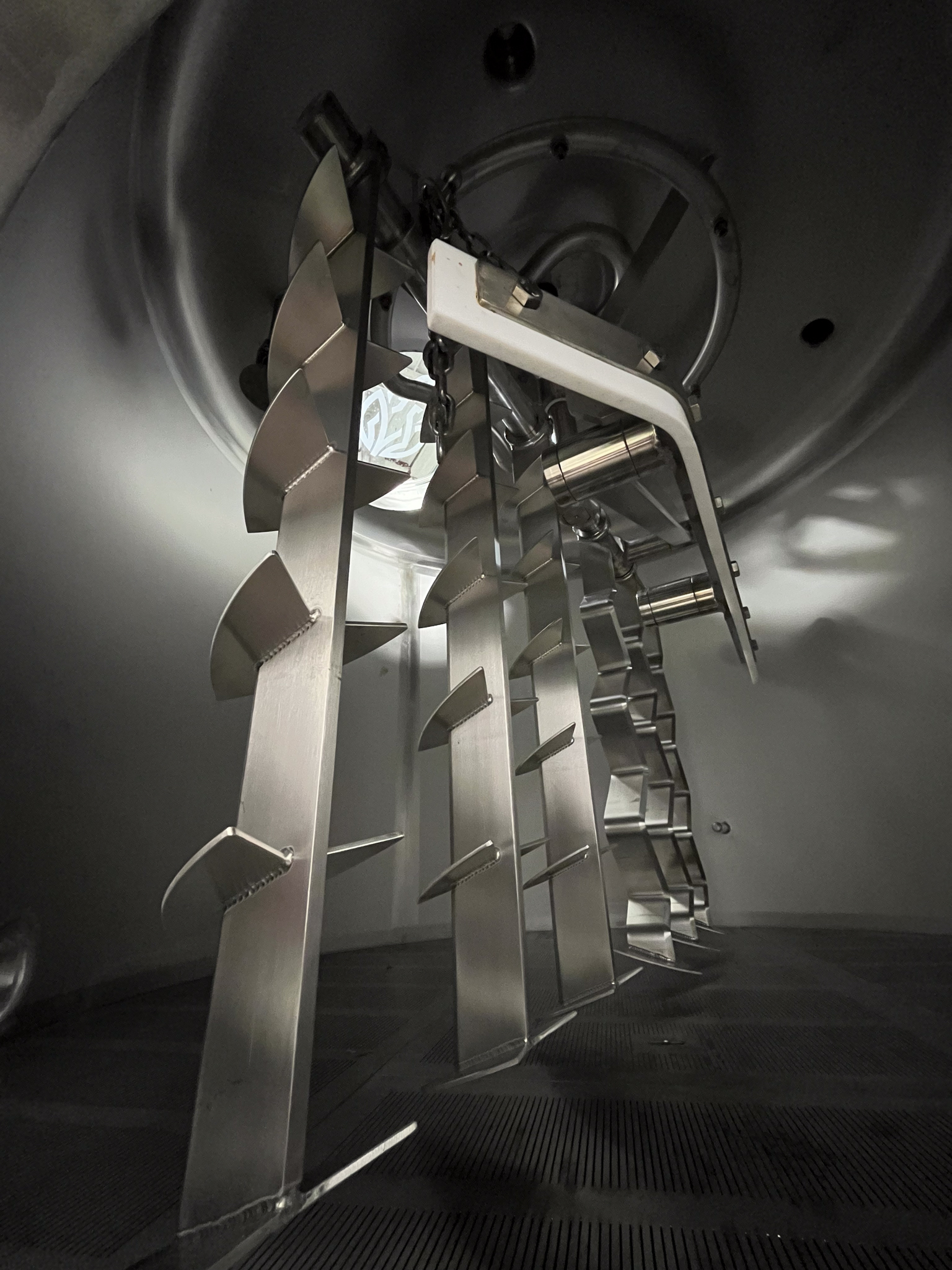
Mash mixers and lauter tun rakes see heavy mechanical loads throughout the year. Every brew cycle puts torque on shafts, paddles, fasteners, and gearboxes. While these components are installed correctly at startup, they don’t stay perfectly tensioned forever.
A start-of-year inspection should include physically checking fasteners—not just looking at them.
Key areas worth attention:
- Set screws securing shafts
- Shaft support hardware
- Bolts on mixer or rake paddles
- Gearbox mounting hardware
“These components see a lot of resistance moving through mash,” says Cardwell. “Even factory-tightened hardware can lose tension over the course of a year.”
Gearbox oil levels are another quiet indicator of system health. Low or degraded oil often shows up first as stuttering paddles, inconsistent motion, or grinding noises—symptoms that are easy to miss during a busy brew day but obvious during a planned inspection.
Brewery Pump Maintenance
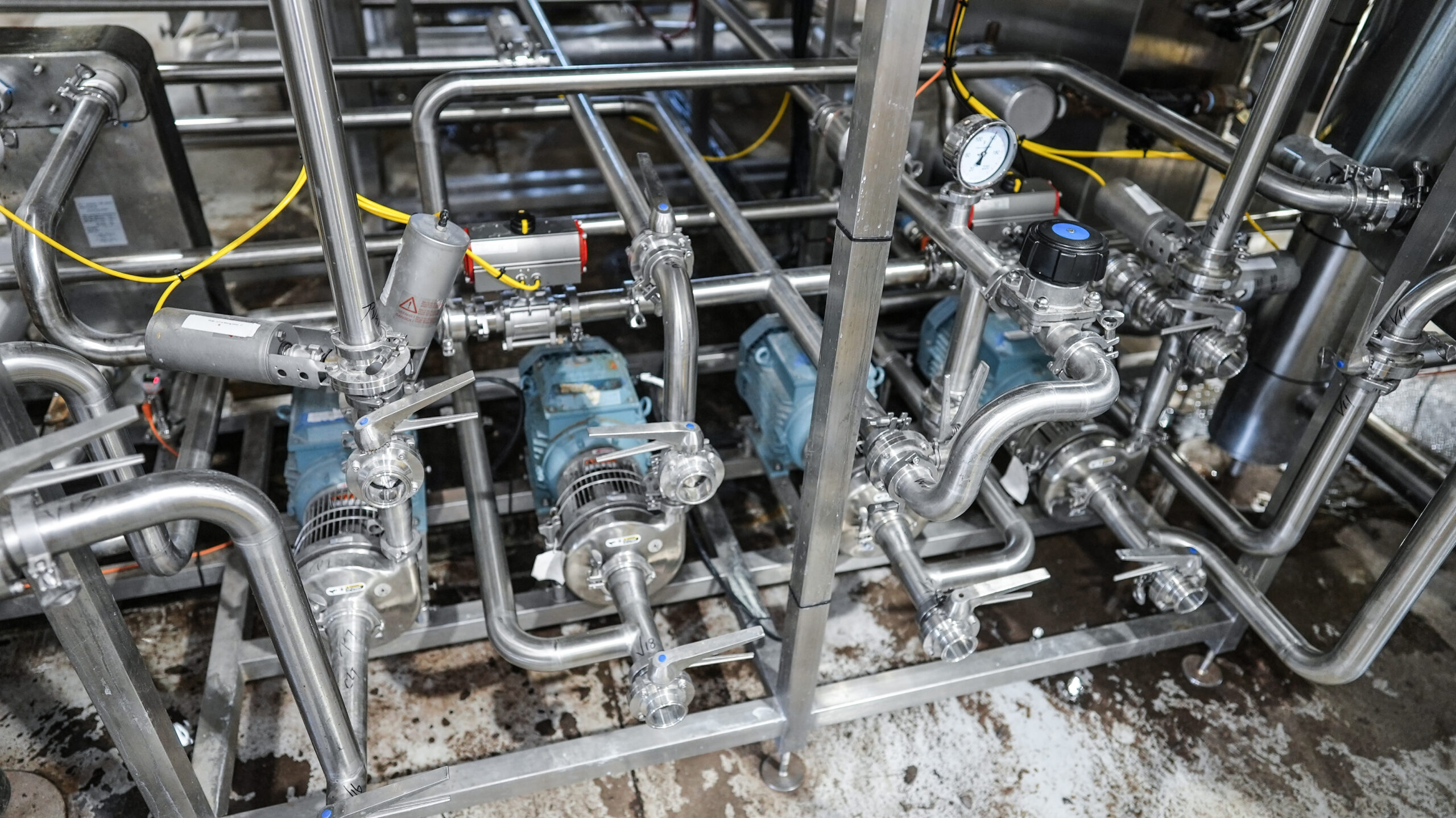
Pumps are one of the most common sources of brew day interruptions—and for good reason. They move everything.
Start-of-year brewhouse maintenance should always include resetting pump impeller clearance. Over time, set screws can slip, allowing the impeller to drift closer to or farther from the back plate.
When clearance is off, brewers may notice:
- Scratching or grinding on the back plate
- Reduced pump performance
- Increased wear on seals and components
“We see pumps drift out of spec all the time,” Cardwell notes. “It’s usually not a failure—it’s just movement over time.”
Pump seals deserve attention as well. Carbon seals are designed to wear, protecting more expensive components. If the seal material is flaking, brittle, or uneven, it’s often a sign replacement is approaching.
Proactively resetting clearances and replacing wear items during scheduled maintenance is far easier than diagnosing pump issues mid-brew.
Resetting the Stainless: Passivation and Liquor Tank Cleaning
Mechanical systems aren’t the only things that benefit from a reset. Stainless steel needs attention too.
Passivation helps maintain the protective oxide layer on stainless surfaces and extends equipment life. While many manufacturers recommend passivation every six months, the start of the year is often the most realistic time for breweries to perform a full cycle.
Liquor tanks—both HLTs and CLTs—are commonly overlooked during routine cleaning. They don’t always get addressed during standard CIP cycles, yet they can accumulate scale, sediment, and residue from the water supply.
A thorough start-of-year clean typically includes:
- Fully draining liquor tanks
- Performing a caustic clean to remove organics
- Following up with passivation to address scale and mineral buildup
“Even though liquor tanks aren’t ideal environments for growth, things can still happen,” Cardwell says. “Especially if the system sits idle or temperatures fluctuate.”
Heat Exchanger Cleaning: Time-Consuming, but Worth It
Heat exchanger maintenance is often delayed because it’s labor-intensive. Unfortunately, that’s exactly why it matters.
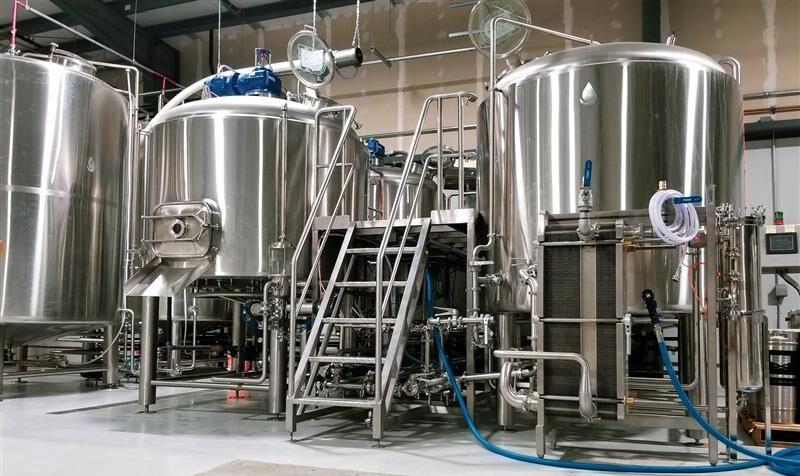
Over time, protein and hop particulate build up between plates, regardless of whirlpool efficiency or backflushing practices. That buildup reduces heat transfer, extending knockout times and makes temperature control less consistent.
Opening a plate-and-frame heat exchanger allows brewers to physically remove that buildup and restore efficiency.
While the exchanger is open, it’s also the right time to:
- Inspect plate gaskets for wear or deformation
- Replace gaskets that have lost elasticity
- Clean plates thoroughly before reassembly
“No matter how oversized or well-designed the exchanger is, buildup will eventually catch up to it,” Cardwell explains. “Cleaning it out is how you keep that performance long-term.”
Why Start-of-Year Brewhouse Maintenance Pays Off
Most breweries can keep production moving by fixing problems as they arise. The downside is that approach guarantees more interruptions during peak months—when downtime hurts the most.
Start-of-year brewhouse maintenance is about eliminating known wear points, resetting critical systems, and restoring efficiency before demand spikes.
It doesn’t take weeks. Often, one or two focused days are enough to reduce months of frustration later.
As Cardwell puts it, proactive maintenance early in the year helps avoid the moment when something fails mid-brew and everyone wonders why no one checked it sooner.
Frequently Asked Questions: Start-of-Year Brewhouse Maintenance
The beginning of the year is often a slower production period for many breweries, making it easier to schedule downtime without impacting sales or taproom traffic. Performing brewhouse maintenance early allows teams to reset equipment before peak brewing seasons, reducing the need for troubleshooting during busy brew days.
In most cases, a focused brewhouse maintenance review can be completed in one to two days. The key is preparation—having replacement gaskets, seals, and basic spare parts on hand allows teams to move efficiently through inspections and corrective work without extending downtime.
Pumps, gaskets, tri-clamps, and mechanical mixers are among the most common sources of interruptions. These components experience constant vibration, torque, and wear throughout the year, and small shifts—like pump impeller clearance drifting or gaskets losing elasticity—can quickly affect performance if left unchecked.
While visual checks happen naturally during brewing, a more thorough mechanical inspection is recommended at least once per year. According to Tony Cardwell, many pump and mixer issues aren’t sudden failures but gradual movement over time that can be corrected with simple adjustments when caught early.
Yes. Hot and cold liquor tanks can accumulate scale, sediment, and residue from the water supply over time. While they may not always be part of standard CIP cycles, periodic caustic cleaning and passivation help protect stainless surfaces and prevent downstream issues related to water quality.
Plate-and-frame heat exchangers should be opened periodically—typically annually—as part of planned maintenance. Even with good whirlpool separation and backflushing, protein and particulate buildup is unavoidable over time. Opening the exchanger allows breweries to restore heat transfer efficiency and inspect gaskets before performance is affected.


