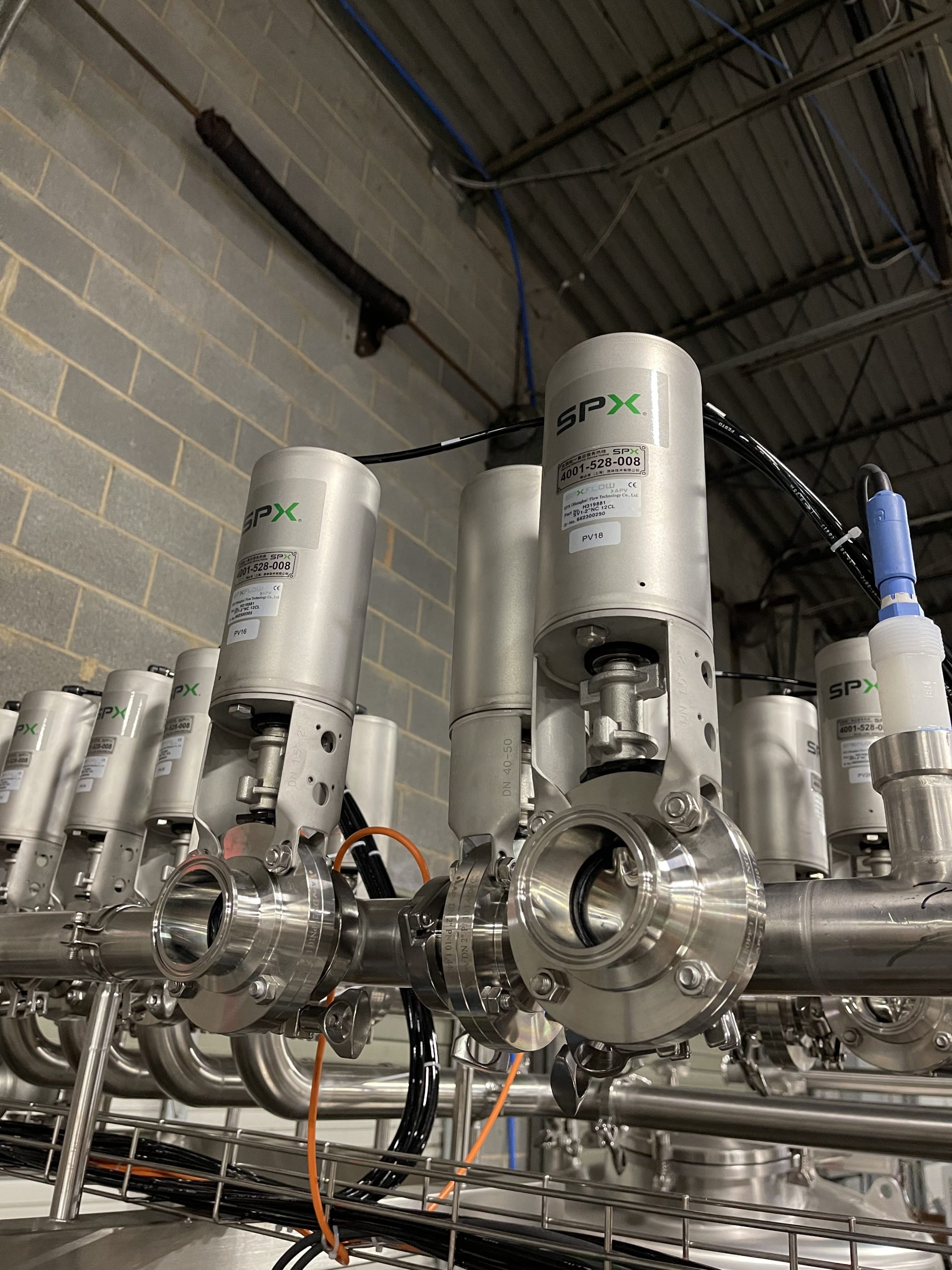
Waterless Clean in Place Skid (CIP)

A specialized clean-in-place system that uses a heated oil cleaning medium to deliver effective circulation and sanitation in processes where water introduction is restricted or where reducing the risk of waterborne pathogens is critical.

  • CIP for applications where moisture cannot be introduced or must be tightly controlled
  • Reduced pathogen risk by eliminating water as a vector in sensitive processing environments
  • Controlled, repeatable cleaning cycles using heated oil circulation without external vessel pumps
  • FDA compliant design

REQUEST A QUOTE

Waterless CIP Solutions

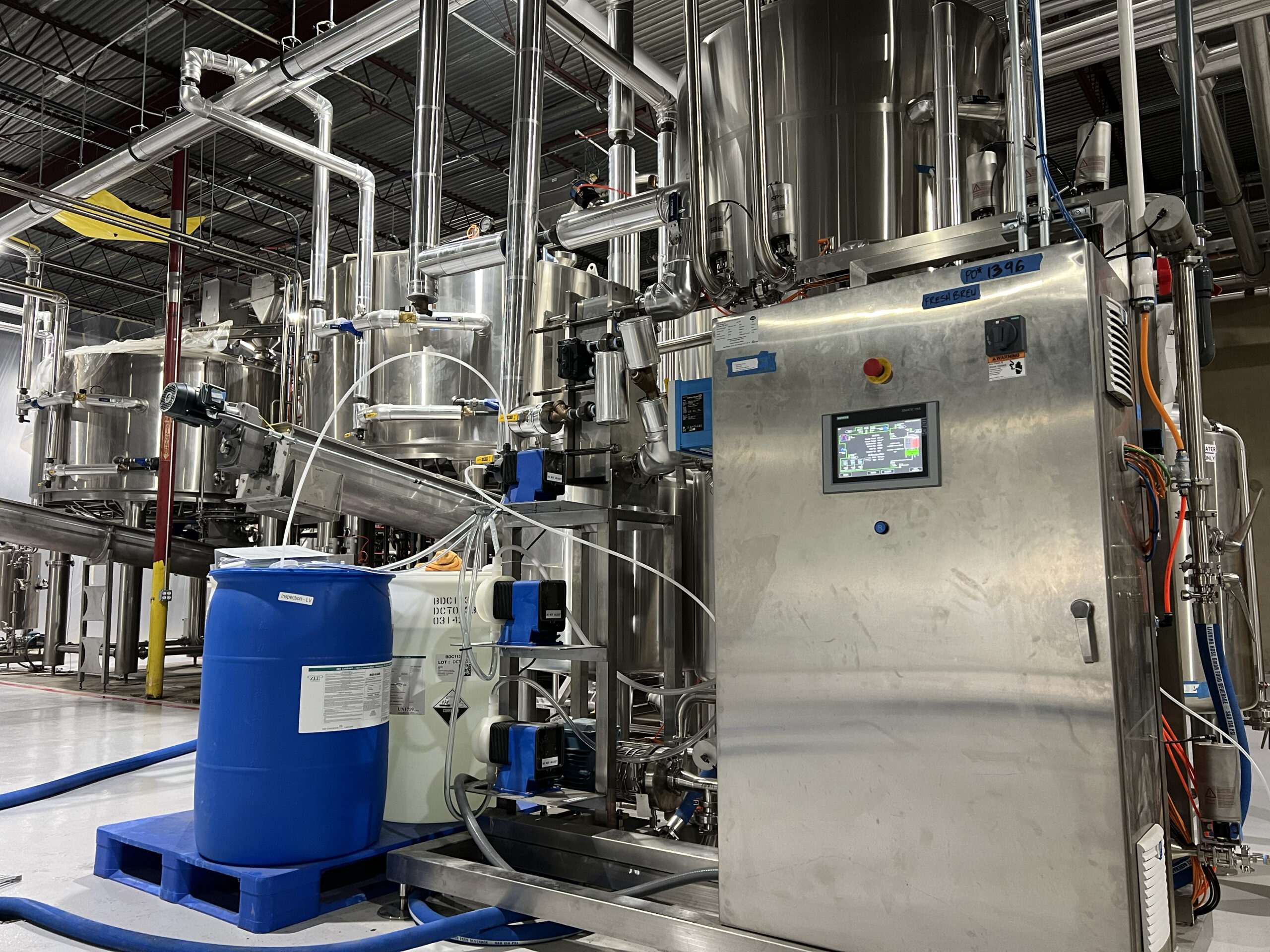
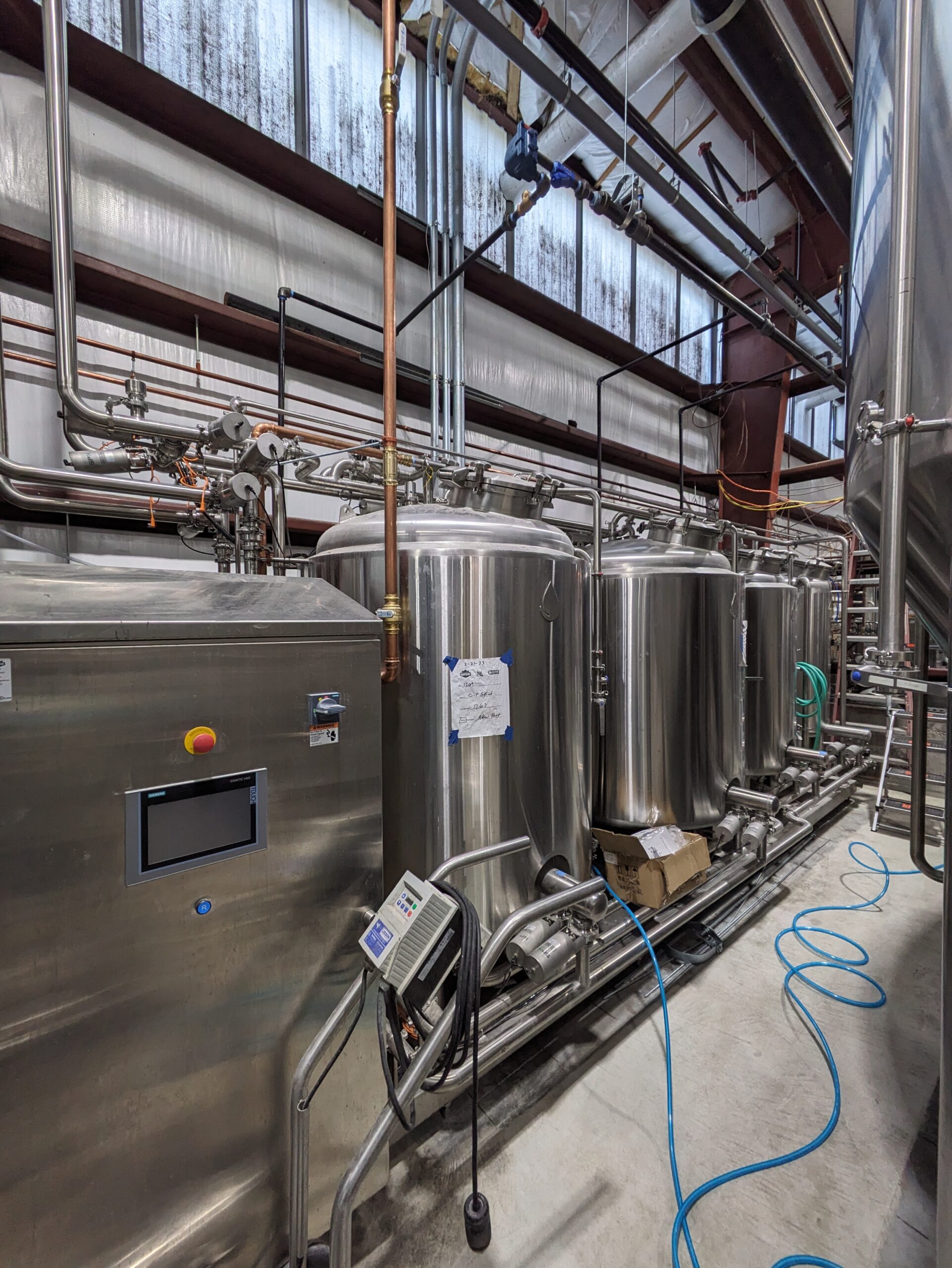
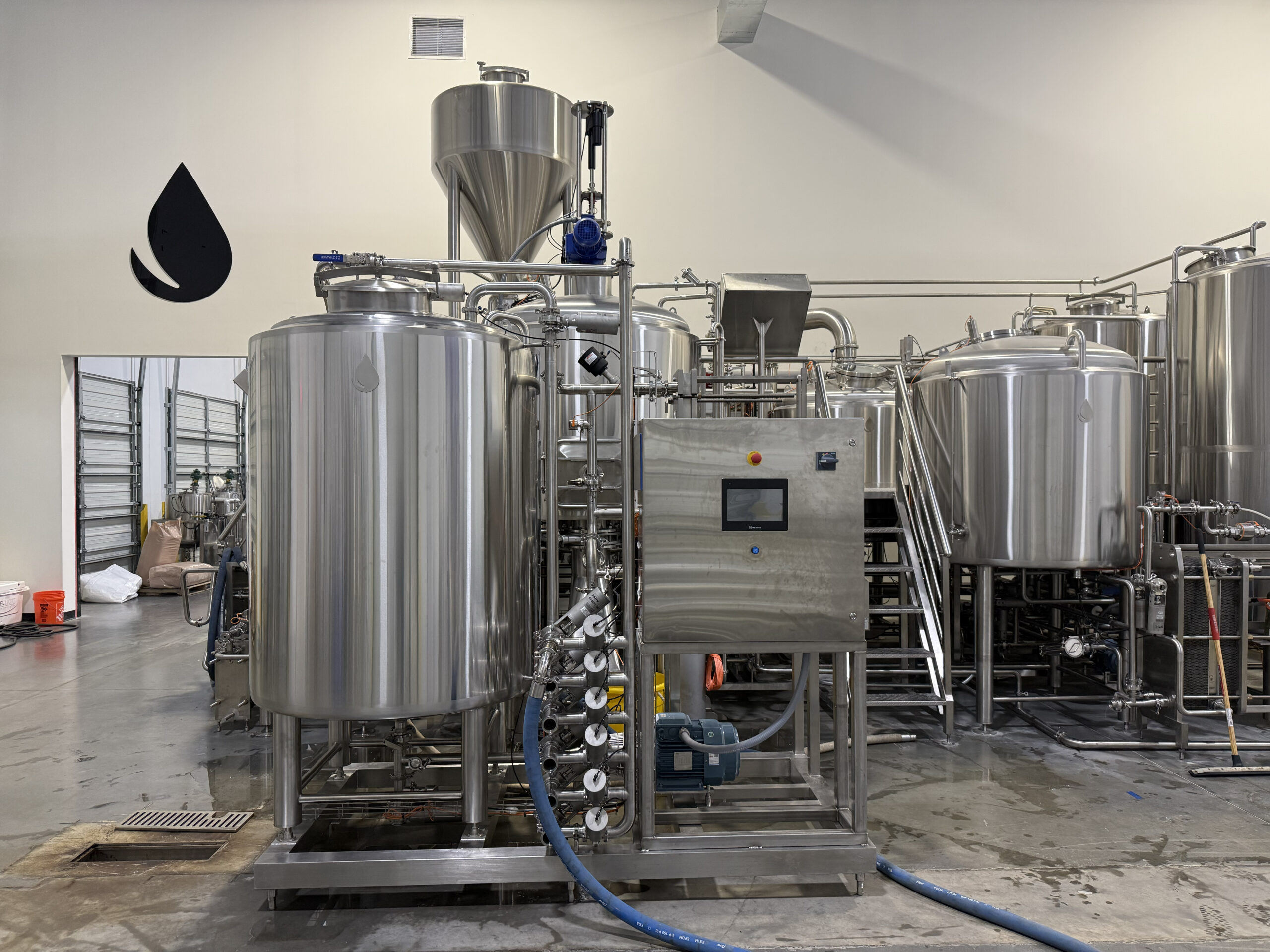
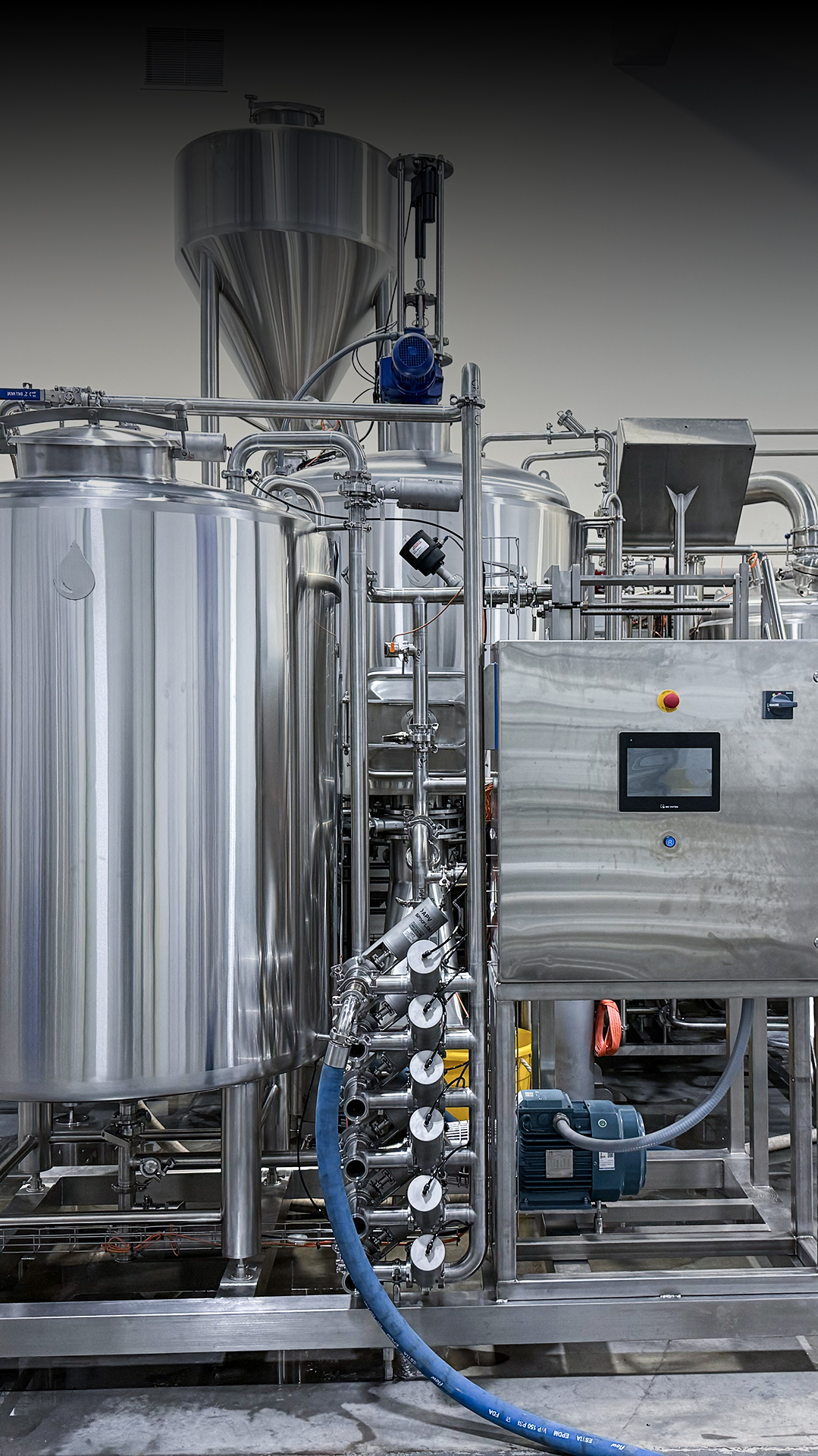
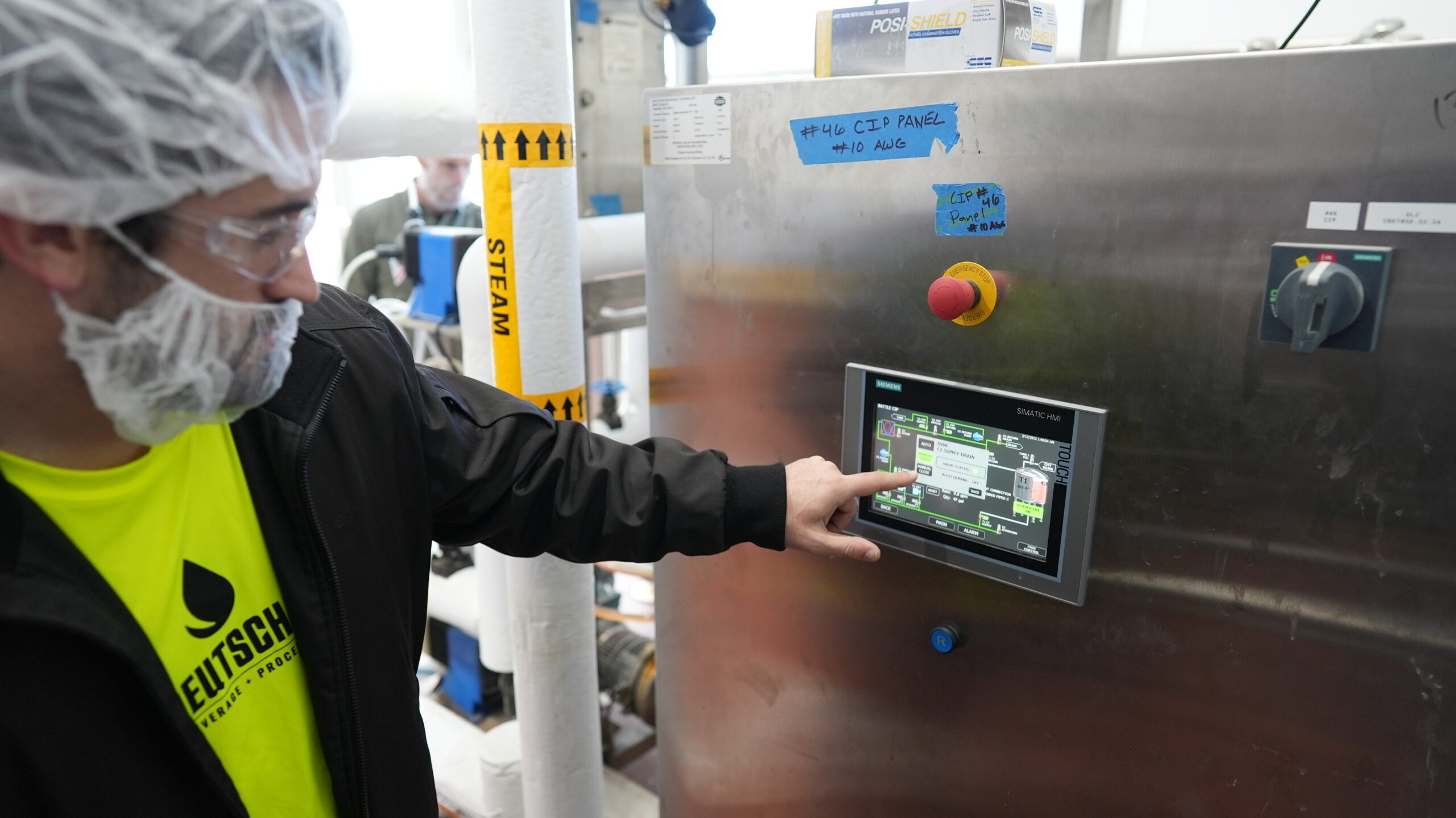
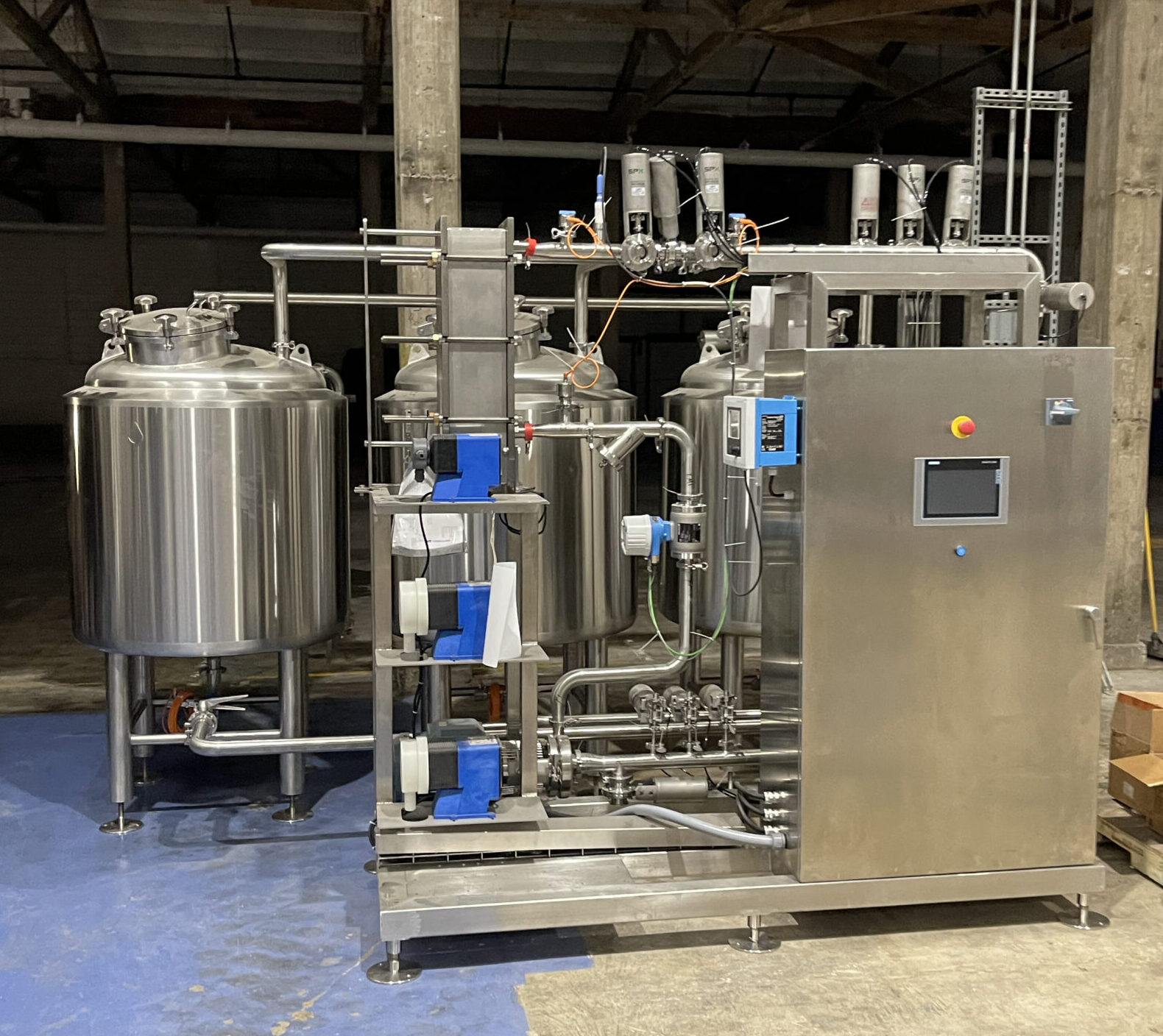
The Waterless CIP Skid is a highly customizable clean-in-place system for food and beverage processing and other water-sensitive applications where moisture cannot be introduced. Designed to deliver effective, repeatable cleaning without water, this system uses a heated oil-based cleaning medium in a closed-loop design to reduce the risk of waterborne pathogens. The skid features integrated pumps, pneumatic valves, and Siemens or Allen-Bradley automation platforms, and is engineered for use in sanitary, FDA-governed facilities.

Features
  • CIP system designed for closed-loop circulation
  • Supply and return pump configuration delivering the desired flow to external vessels
  • No pumps required on the cleaned vessel; circulation handled entirely by the skid
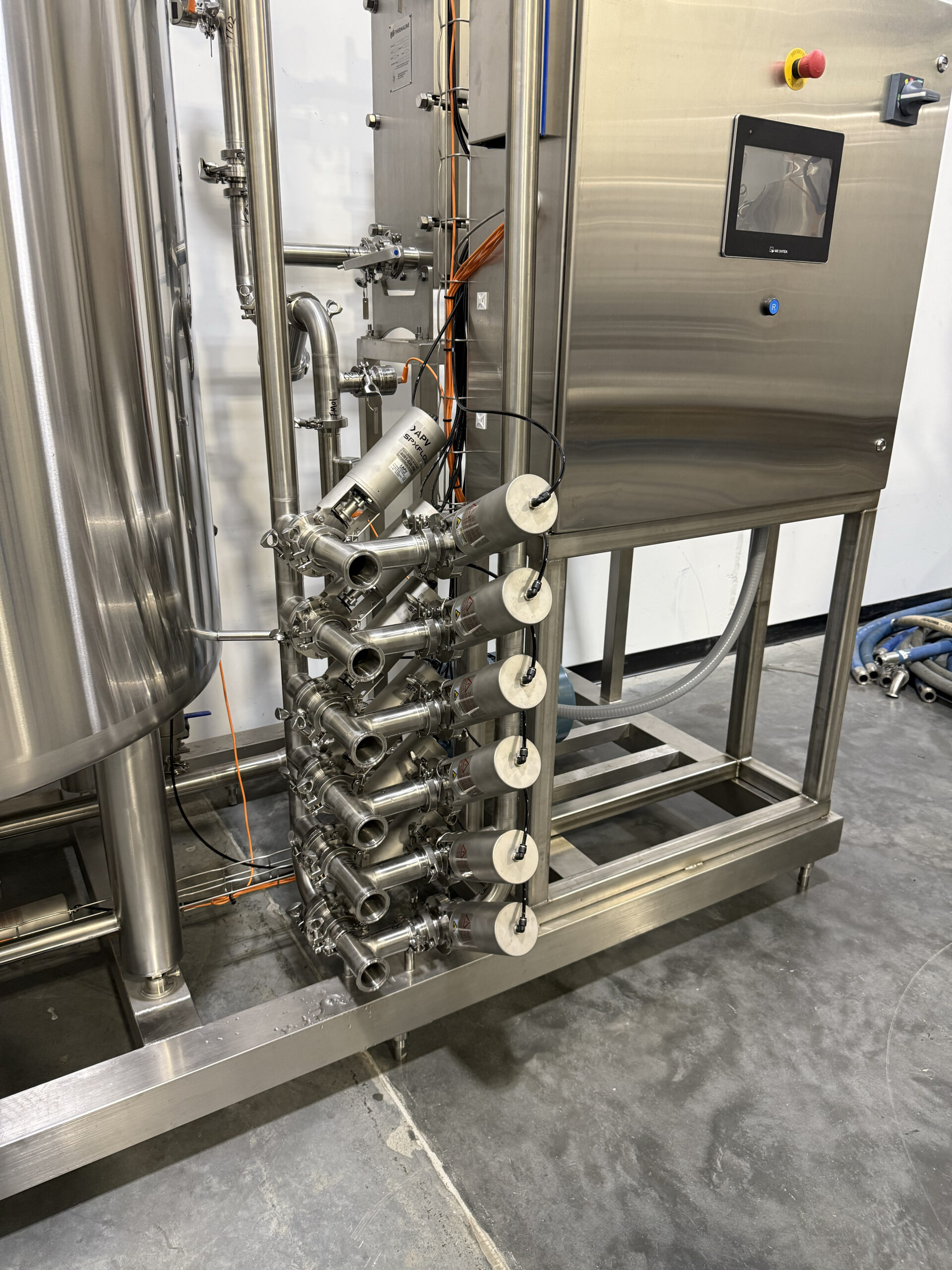
  • Dry disconnects at inlet and outlet for clean, leak-free connections
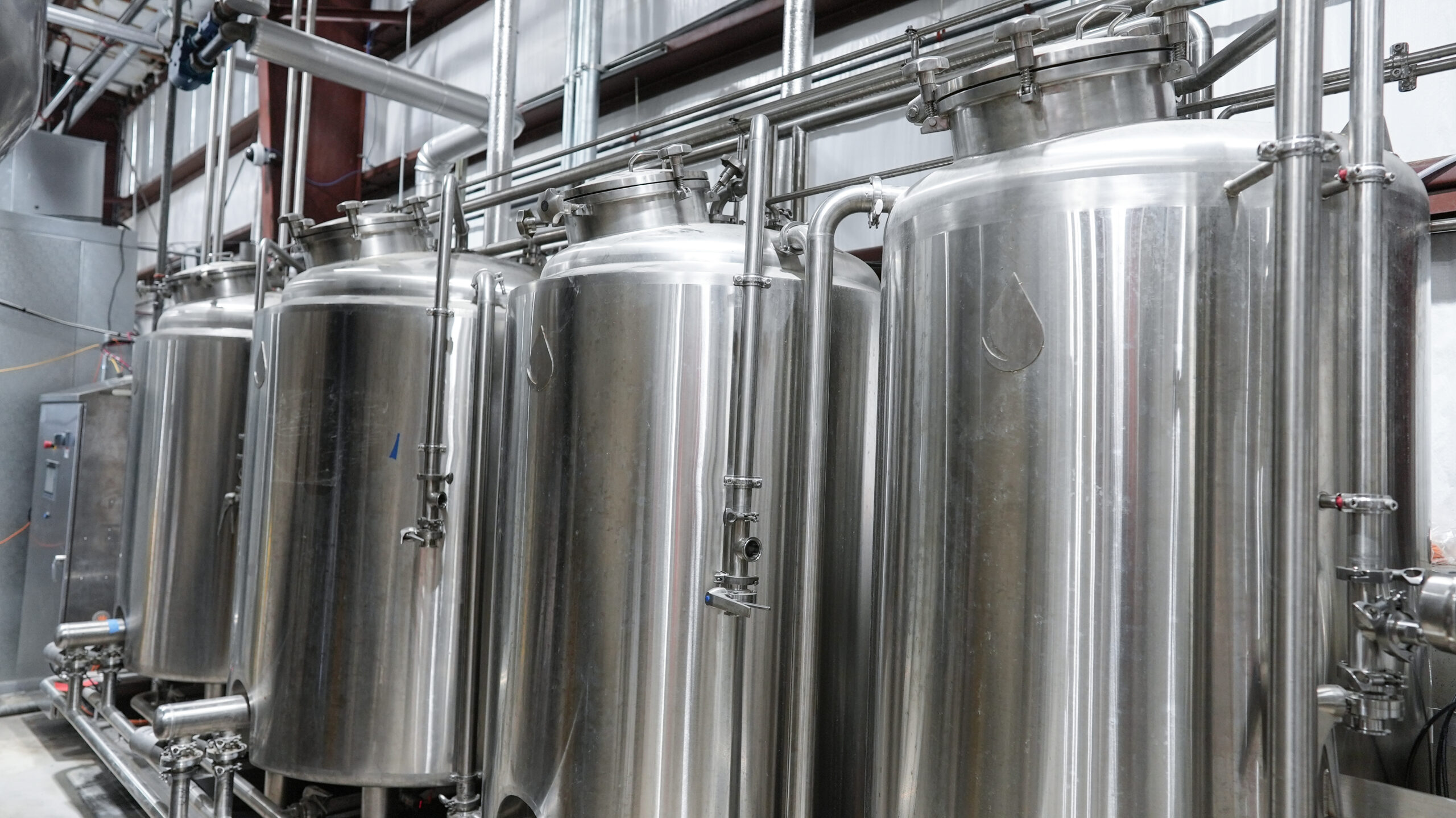
  • Integrated circulation and collection tank
  • Inline process filtration
  • Dual serviceable heating elements for consistent temperature control
  • Pneumatically actuated valves controlling all fluid paths
  • Manual isolation valves integrated for operational safety
  • Skid-mounted, compact footprint for easy integration into existing facilities
REQUEST A QUOTE
  • Cleaning Medium: Heated oil
  • Customizable Flow Rate
  • Customizable Tank Capacity
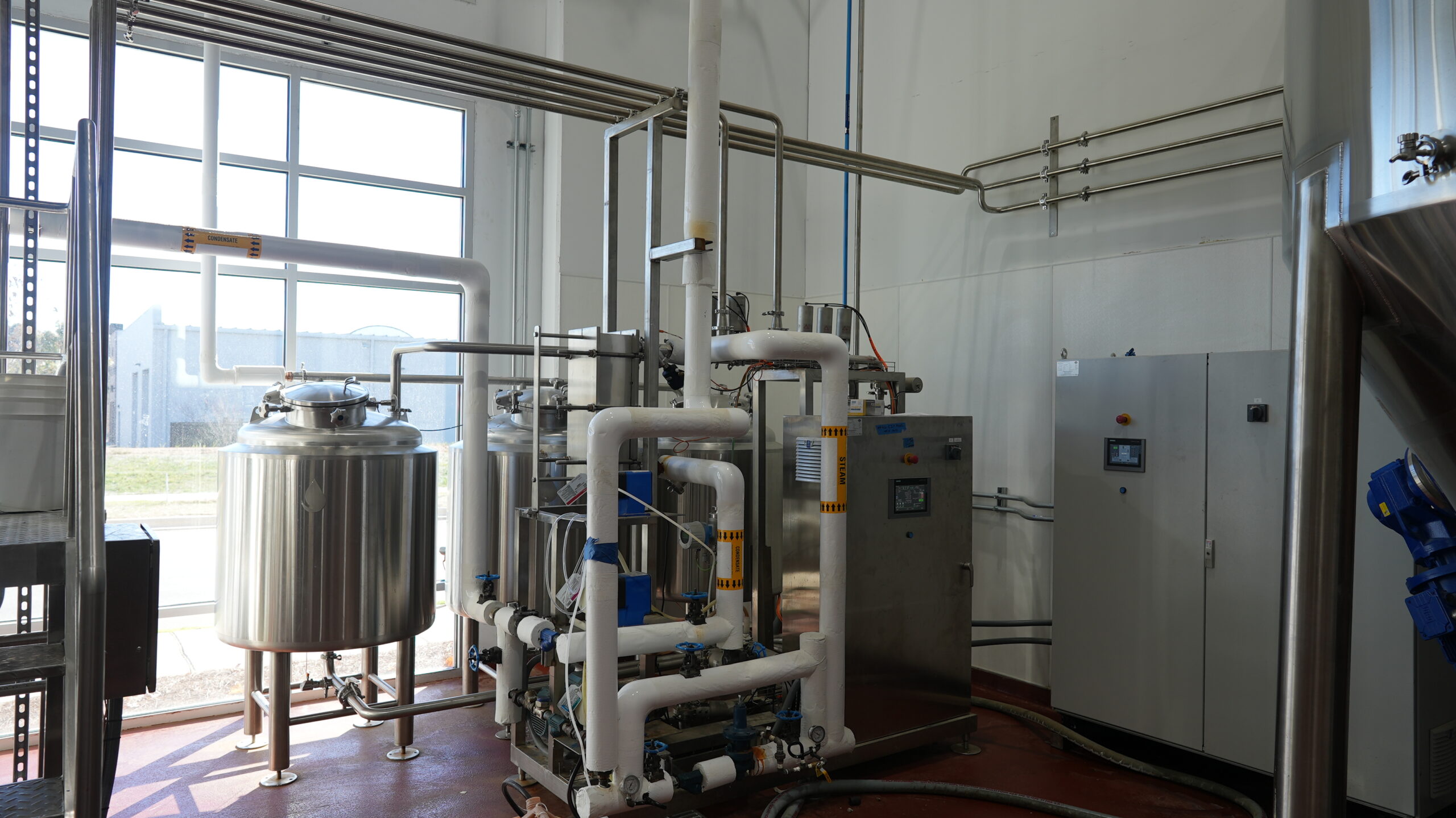
  • Heating: Steam or Direct electric
  • Connections: Dry disconnect process fittings
REQUEST A QUOTE
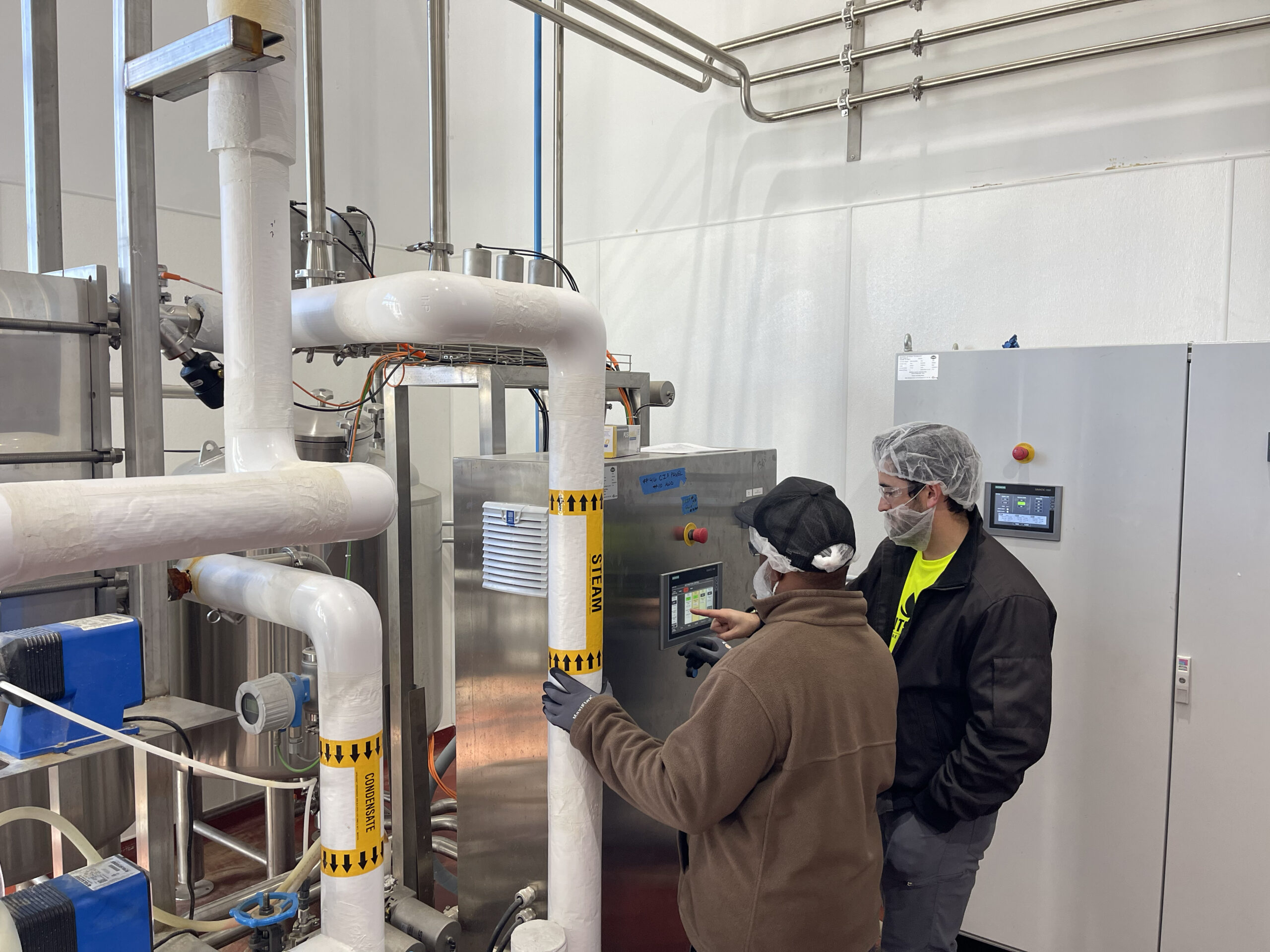
  • Siemens or Allen-Bradley controls
  • Designed for repeatable, operator-controlled cleaning sequences
  • Skid-mounted control panel with pneumatic valve control
  • Separate high-voltage and low-voltage control panels for safety and serviceability
  • Manual valve overrides for safe maintenance and operation
  • Custom control logic and automation levels available based on application needs
REQUEST A QUOTE

Waterless CIP Solutions

The Waterless CIP Skid is a highly customizable clean-in-place system for food and beverage processing and other water-sensitive applications where moisture cannot be introduced. Designed to deliver effective, repeatable cleaning without water, this system uses a heated oil-based cleaning medium in a closed-loop design to reduce the risk of waterborne pathogens. The skid features integrated pumps, pneumatic valves, and Siemens or Allen-Bradley automation platforms, and is engineered for use in sanitary, FDA-governed facilities.

Features & Options

Our equipment features are usually sold as add-ons by most manufacturers, sparing you the inconvenience and unexpected expenses of acquiring additional equipment, or services.

Auxiliary Equipment

Look to Deutsche to handle the entire scope of your project from utilities, sanitary piping, bulk storage, milling, CIP, conveyance, filtration, and custom equipment. Our dedicated manufacturing team and component partners provide the latest technology and most reliable ancillary equipment catered to your process.

Service & Support

Each project is assigned a dedicated engineer, ensuring personalized attention and expertise for your design, installation, control integration, programming, process piping, and field service needs. We’re also here to provide continuous equipment support and assist with system process inquiries.

Cleaning

We prioritize seamless CIP integration in all our equipment designs. Furthermore, we offer industry-leading CIP skids, carts, and steam sanitation options. Recognizing the importance of proper system sanitation to your bottom line and product quality, we’re committed to delivering custom-engineered cleaning processes, equipment, and solutions.

Automation

Customizable automation is the key to bringing higher quality, consistency, yields, and efficiencies to your system – no matter your industry or application. Choose to add specific instruments for insight into your process, add automated features to reduce dependence on labor or choose to fully automate your system for the ultimate hands-off experience.

IN THE NEWS

How RTD Beverages Are Actually Manufactured at Scale - What Beverage Producers Need to Know

RTDs can open new growth opportunities, but commercial production takes more than a great recipe. They are one of the most promising growth paths for beverage producers. Successful RTD production starts with the full process, not just the finished beverage. In this blog, we break down what producers need to consider when scaling RTD manufacturing.

Why ISNetworld Compliance Matters When Selecting a Beverage Industry Contractor

When choosing a contractor for beverage facility work, technical skill is only part of the equation. Safety documentation, insurance compliance, employee training, and contractor qualification can all impact whether a project moves forward smoothly. This article explains why ISNetworld compliance matters for food and beverage producers, and how working with an ISNetworld-compliant process piping, installation, and service partner can help reduce project risk, simplify vendor approval, and support safer facility projects.

Repair vs. Replace: Managing Aging Process Piping Systems 

Aging sanitary process piping should be repaired when issues are isolated and the system still performs well, but replacement becomes the better long-term choice when problems are recurring, widespread, or tied to poor sanitary design, capacity limits, access issues, or inconsistent CIP performance. The article emphasizes evaluating piping based on performance, cleanability, reliability, and future production needs so facilities can avoid repeated repairs that increase downtime, maintenance costs, and production risk.