Why are Modern Breweries Integrating Serving Tanks?
This video shows how modern serving tank designs help breweries deliver fresher beer, cut labor and operating costs, and turn their taproom draft system into a functional showpiece—making it a must-watch for any brewery considering an upgrade.
Features
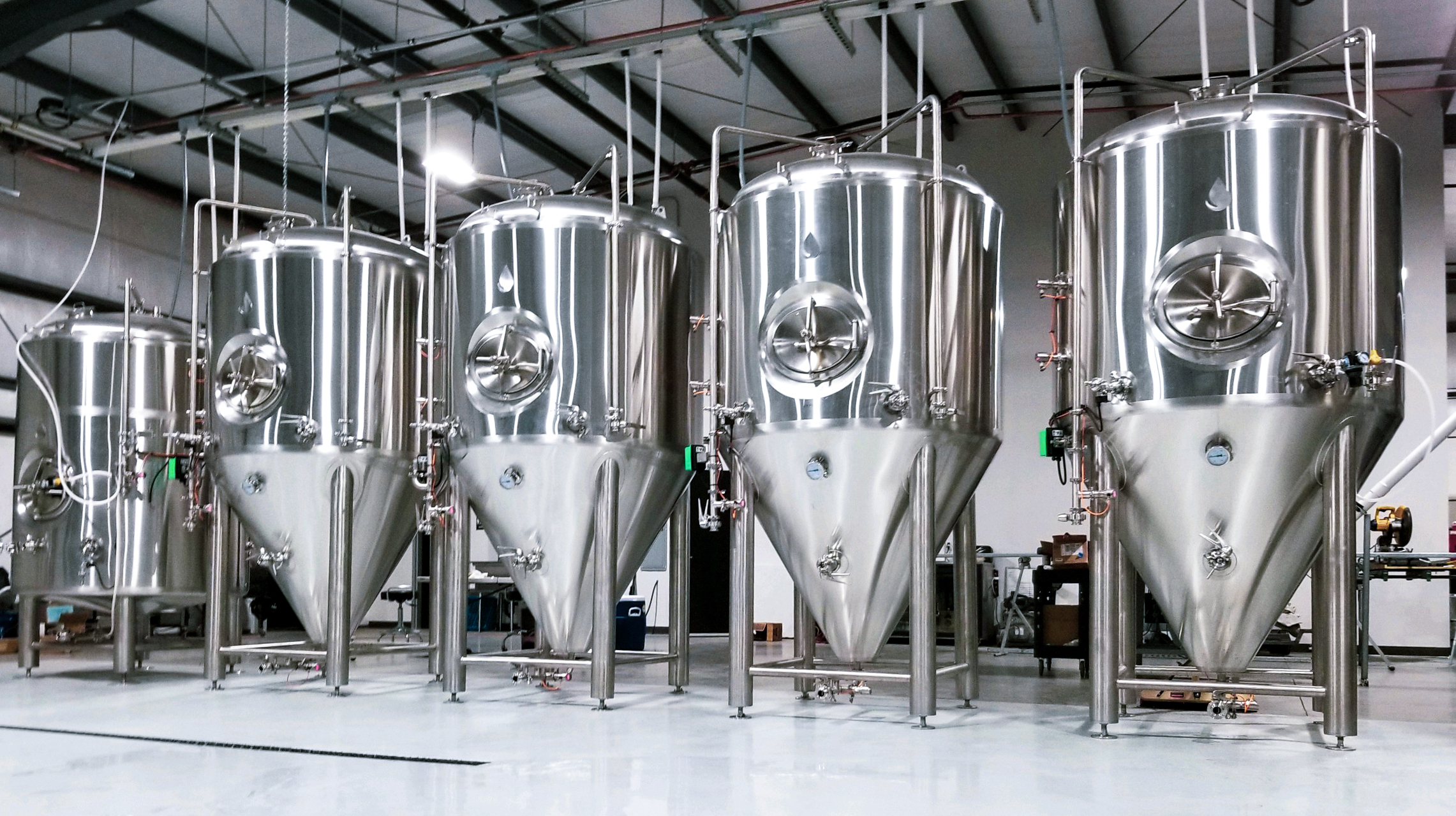
- Custom Design – Single Wall or Jacketed vessel sizes and features engineered to meet your draft line integration requirements.
- Optional Bag-in-Tank Configuration – Multi-layer membrane bags isolate beer from compressed air to preserve freshness and reduce CO₂ demand.
- Air-Driven Dispense Capability – Compressed air applies external pressure to the bag, eliminating continuous CO₂ dosing once filled.
- Centralized Filling & CIP Compatibility – Designed for integration with diverter panels and CIP systems for simplified transfers and cleaning.
- Hidden Utility & Ghost-Piped Connections – Utilities can be routed discreetly to maintain smooth backs and clean customer-facing profiles.
- Front-Facing Draft & Sample Ports – Draft outlets and sample valves positioned for ease of service and quality checks.
- Reduced Chemical & Water Usage – Minimizes or eliminates keg washing and associated chemical and water consumption.
- Architectural & Display-Grade Design – Unique shape and material options to create a visual impact, including stainless steel and copper.
- Service-Friendly Layout – Hardware and access points positioned to support safe maintenance from service areas or mezzanines.
- Turnkey Coordination & Support – Deutsche works with architects, engineers, contractors, and draft installers to ensure seamless execution.
Specifications
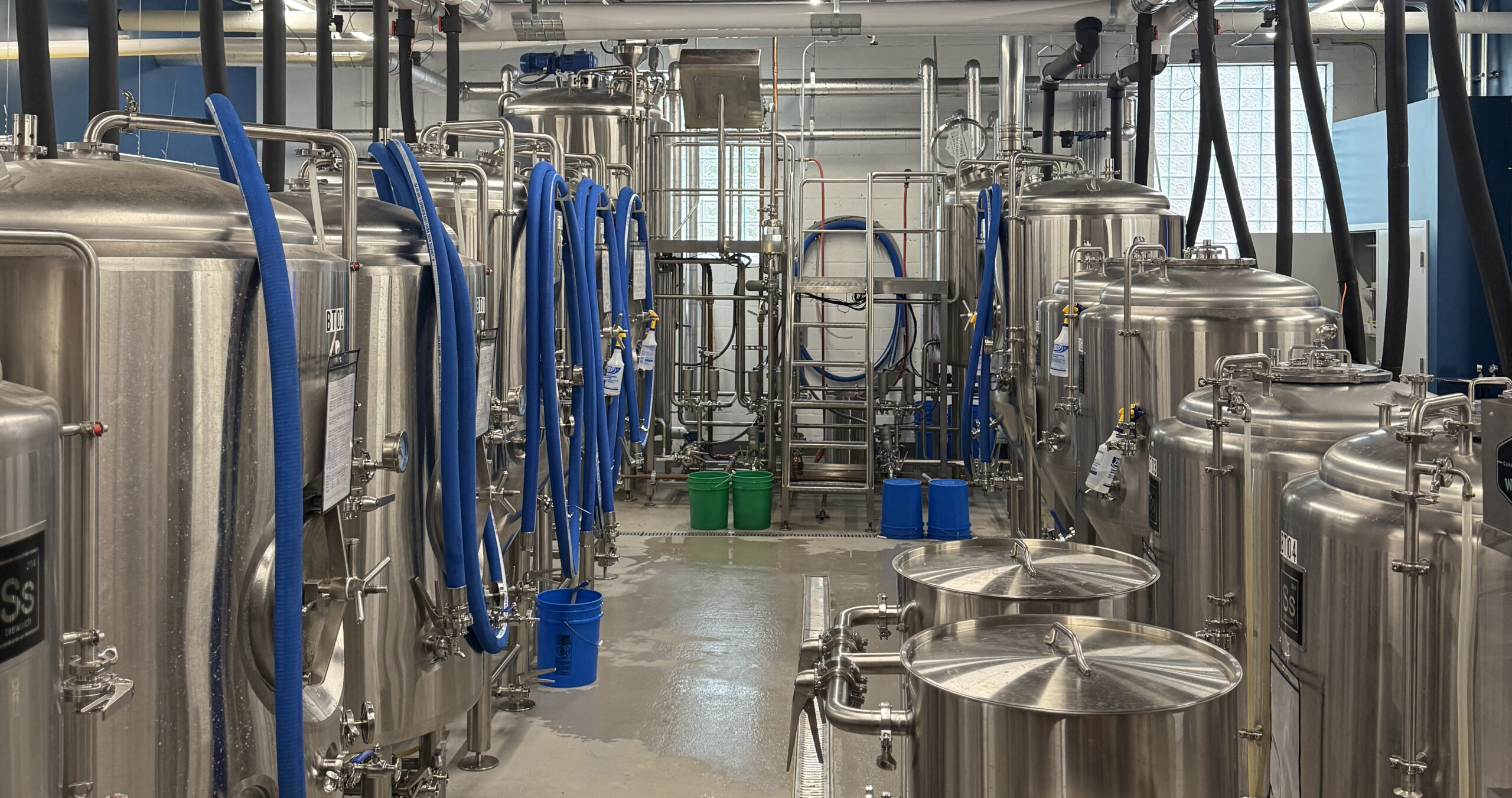
- Material Construction – Fabricated from AISI 304 stainless steel with TIG-welded construction; 316 stainless options available.
- Customization – Fully customizable sizing, stacked configurations, orientations, and features including port placement, chilled serving line, valve configurations, drain routing, and utility connections.
- Single Wall & Jacket Options – Available as jacketed or single-wall vessels based on cooling strategy and installation environment.
- Insulation – High-efficiency polyurethane insulation available for exposed or self-contained installations.
- Cooling Design – Dimple plate jacket cooling with optional single or dual-zone glycol jacket configurations and as the volume requires.
- Instrumentation – Sight glasses, temperature indication, sample valves, and carbonation interfaces available.
- Finish Options – Brushed stainless, copper, or copper banding.
- Utility Integration – Supports embedded utility lines or ghost piping for concealed glycol, air, and process routing.
- CIP Compatibility (Non-bag in tank designs) – Configured for clean-in-place integration using rotating spray balls and centralized CIP systems.
- Manways & Access – Side or Top shadowless manway doors provide service access points positioned for safe, efficient maintenance.
- Process & Service Hardware – Stainless steel butterfly valves, EPDM gaskets, and sanitary hardware throughout.
REQUEST A QUOTE
Other Tanks
Explore the features of our other stainless sanitary tanks
- Brite Tanks
- Horizontal Lagering Tanks
- Stacked Tanks
- Mash Tun
- Lauter Tun
- Mash/ Lauter Tun Combo
- Brew Kettle
- Whirlpool
- Kettle/ Whirlpool Combo
- Hot and Cold Liquor Tanks
Why are Modern Breweries Integrating Serving Tanks?
This video shows how modern serving tank designs help breweries deliver fresher beer, cut labor and operating costs, and turn their taproom draft system into a functional showpiece—making it a must-watch for any brewery considering an upgrade.